Maintaining a commercial rowing machine is crucial for ensuring its longevity and performance. According to a 2022 report by the Fitness Equipment Association, proper maintenance can extend the lifespan of such machines by up to 30%. Industry experts like Mike Johnson, a veteran in fitness equipment management, emphasize the importance of routine care. He states, "How to maintain a commercial rowing machine to extend its life? It's about consistency in maintenance."
Regular inspections and cleaning routines are vital. Machines that endure constant use in commercial settings require more attention. Dust and sweat can accumulate, affecting performance. A daily wipe-down and weekly thorough cleaning can prevent many issues. Additionally, checking for wear and tear on moving parts ensures smooth operation.
Ignoring maintenance can lead to costly repairs. Many facilities overlook the finer details, which may result in machine downtime. Being proactive in care not only enhances user experience but also protects your investment. By prioritizing proper upkeep, facilities can keep their rowing machines in top condition for years to come.
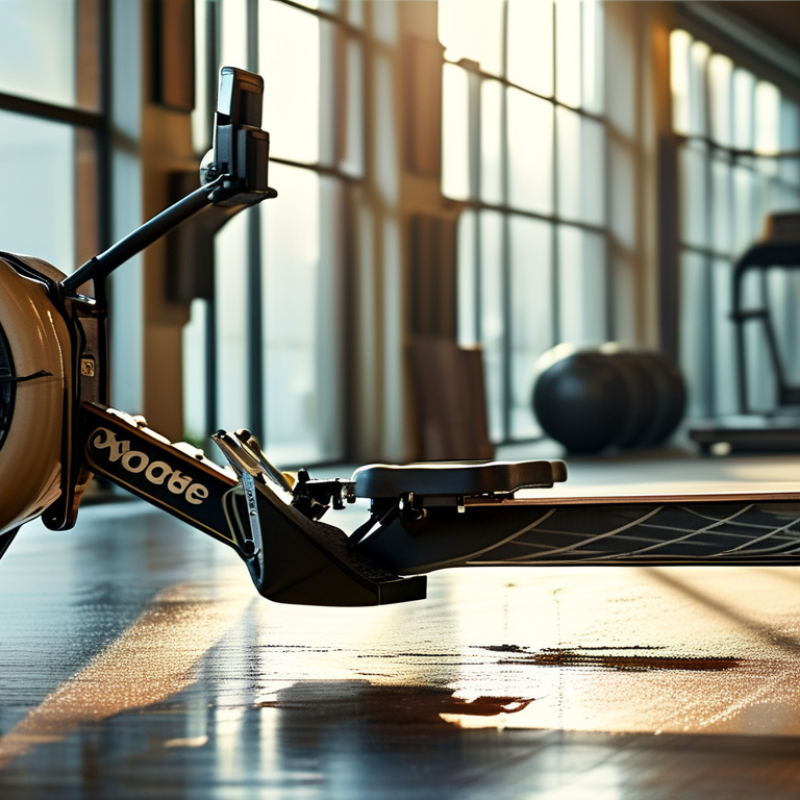
Understanding the components of a commercial rowing machine is crucial for its longevity and optimal performance. A typical machine consists of several key parts: the frame, the flywheel, the seat, and the handle. Each of these components plays a vital role in the overall functionality and durability of the equipment.
The frame must be robust, as it bears the strain of every stroke. High-quality steel frames tend to last longer in commercial environments. A report from the International Health, Racquet & Sportsclub Association (IHRSA) indicates that well-maintained machines can have a lifespan exceeding seven years with consistent usage. The flywheel, often overlooked, is integral to providing smooth motion. A sluggish flywheel can create friction and lead to faster wear and tear.
Regular inspection of the seat and handle is also necessary. The seat should glide smoothly to prevent discomfort. Worn-out seats can cause pain and lead to reduced usage. According to a study by the American College of Sports Medicine, more than 25% of users report discomfort due to poor equipment maintenance. The handle should be checked for grip integrity. A damaged handle can deter users and affect performance negatively. Ensuring the proper function of each component can lead to prolonged life and satisfaction for users.
Maintaining a commercial rowing machine is crucial for its longevity and optimal performance. Regular maintenance practices can prevent breakdowns and ensure smooth operation. Start by checking the resistance system. Dust and debris can accumulate, affecting performance. Use a soft cloth to wipe it down, ensuring nothing obstructs the mechanism.
Inspect the rail and seat. Friction can cause wear over time. Lubricate the rail with a silicone-based lubricant. However, be careful not to overdo it; a little goes a long way. Additionally, periodically assess the condition of the foot straps and handles. Replace them if they show signs of wear. It's often easy to overlook these small components, but they are vital for a safe workout.
Remember to check the bolts and screws regularly. Tightening loose fittings can prevent rattling noises and structural issues. It’s a simple step that often gets ignored. Finally, a routine inspection of the electronics keeps everything running smoothly. A good maintenance schedule, even if imperfect, contributes significantly to your machine's durability. Reflect on your hygiene practices; not cleaning your equipment after use can lead to damage. Prioritize consistent maintenance to enjoy a long-lasting rowing machine.
Maintaining the cleanliness of your commercial rowing machine is essential for its longevity. Sweat and dirt can accumulate over time, leading to mechanical issues and unpleasant odors. To avoid this, develop a routine that incorporates cleaning after each use. Use a soft cloth with a mild soap solution to wipe down the seat, handle, and console. Avoid abrasive materials that can scratch the surfaces.
Pay special attention to the rail and the chain. Dirt can build up in these areas, affecting the rowing smoothness. Use a damp cloth to clean the rail, ensuring you dry it afterward. For the chain, a light lubricant will help keep it functioning well, but remember to wipe off excess that could attract more dirt.
It can be easy to overlook some areas, like the footplates and the display screen. Take a moment to inspect these spots and clean them regularly. Wear and tear can go unnoticed if cleaning isn’t thorough. Don’t wait until a problem arises; proactive cleaning is key.
Set reminders if necessary to keep your rowing machine in top shape.
When maintaining a commercial rowing machine, inspecting and lubricating moving parts is crucial. Start by checking the chain or belt. Look for signs of wear or build-up. Gently wipe it with a clean cloth. If it feels stiff, apply a light, suitable lubricant to ensure smooth operation. Pay attention to how the chain runs along the rollers; any misalignment should be corrected promptly.
Next, examine the seat sliders. These parts should glide effortlessly. Use a damp cloth to remove dirt or debris that may hinder movement. Periodically, lubricate these areas to prevent squeaks and ensure comfort during workouts. Many overlook this, but it can affect performance.
Finally, don’t forget the footrests and pedals. Regularly clean and inspect them for any cracks or breaks. If they feel loose, ensure that all bolts are tightly secured. While it can seem minor, neglecting these details might lead to bigger issues down the line. A little attention goes a long way in extending the life of your rowing machine.
Proper storage of your commercial rowing machine is crucial for its longevity. It’s easy to overlook this aspect when in a gym or home. Yet, improper storage can lead to damage over time. Always store your machine in a dry environment. Humidity can cause rust and degradation of components. Use a cover if you leave it out. This simple step can protect it from dust and moisture.
Consider the position of your rowing machine when not in use. If possible, keep it upright or folded if the design allows. Avoid placing heavy objects on it, as this can lead to misalignment and wear. Regularly check for any signs of damage, especially after moving it. Reflect on your storage habits. Are they truly protective? It can be easy to neglect these small but vital practices. Taking the time to ensure proper storage demonstrates commitment to maintaining your equipment.
| Tip | Description | Frequency |
|---|---|---|
| Clean Regularly | Wipe down machine with a damp cloth after each use. | After each use |
| Check for Wear | Inspect ropes, straps, and other parts for signs of wear and replace as needed. | Monthly |
| Lubricate Moving Parts | Apply lubricant to the sliding rail and other moving components. | Every 3-6 months |
| Store Properly | Keep machine in a dry, indoor space away from direct sunlight and moisture. | Always |
| Check for Level Surface | Ensure that the rowing machine is on a flat, level surface to prevent instability. | Before each use |
: A commercial rowing machine consists of the frame, flywheel, seat, and handle. Each plays a crucial role.
The frame must be robust to handle strain from every stroke. Quality steel frames last longer in commercial use.
Inspect the flywheel for smooth motion. A sluggish flywheel causes friction and accelerates wear and tear.
Check if the seat glides smoothly. Worn-out seats may cause pain and reduce usage during workouts.
Regularly inspect the handle for grip integrity. A damaged handle can negatively impact performance and discourage users.
Lubricating parts like the chain or belt ensures smooth operation. This prevents stiffness and enhances performance.
Clean the seat sliders, footrests, and pedals. Dirt can hinder movement, affecting comfort and efficiency during workouts.
Misalignment can cause operational issues. Correcting it promptly prevents larger problems and extends the machine's lifespan.
Neglecting minor details can lead to bigger issues later. Attention to these aspects prolongs the machine's life.
Regular inspections are crucial for maintaining performance. Consistency in maintenance can enhance user satisfaction and durability.
To ensure longevity and optimal performance of your commercial rowing machine, it’s important to understand its components and implement regular maintenance practices. Key strategies include regularly inspecting and lubricating moving parts to ensure smooth operation and using specific cleaning techniques to prevent the build-up of dirt and sweat.
Additionally, proper storage is essential to protect your rowing machine from damage. Following these guidelines will not only answer the question, "How to maintain a commercial rowing machine to extend its life?" but also enhance your overall workout experience. By dedicating time to these maintenance tasks, you can ensure that your machine remains in excellent condition for years to come.

Naturist Fitness