China’s elliptical market has expanded from basic home trainers to connected machines for gyms, hotels, and rehabilitation centers. This guide introduces ten notable Chinese elliptical suppliers and examines their manufacturing experience, product ranges, customization options, and quality controls. It considers frame stability, stride smoothness, magnetic resistance, console accuracy, noise levels, and after-sales support. These details matter when a machine must perform quietly at home or withstand repeated gym use.
A practical buying guide should also explain How to program an interval workout on an elliptical? Most modern consoles allow users to set work time, recovery time, resistance, and incline. A simple session might include five minutes of easy pedaling, eight rounds of thirty seconds at challenging resistance, and ninety seconds of controlled recovery. The display should show cadence, heart rate, elapsed time, and remaining intervals clearly. Supplier claims require careful checking through factory audits, sample testing, user feedback, and relevant compliance documentation. Attractive photos are not enough. Neither is a low quotation.
The ranking is not permanent. Production capacity, component sourcing, and service quality can change. Some public information may also be incomplete. That limitation deserves attention. Buyers should request test reports, warranty terms, spare-part availability, and realistic delivery schedules before placing orders. Trainers should adjust intensity for the user’s fitness, joint comfort, and training goals. A reliable supplier supports safe programming, consistent performance, and clear technical guidance rather than promising exaggerated results. This overview aims to connect practical interval training with informed supplier selection, while recognizing that careful verification remains essential.
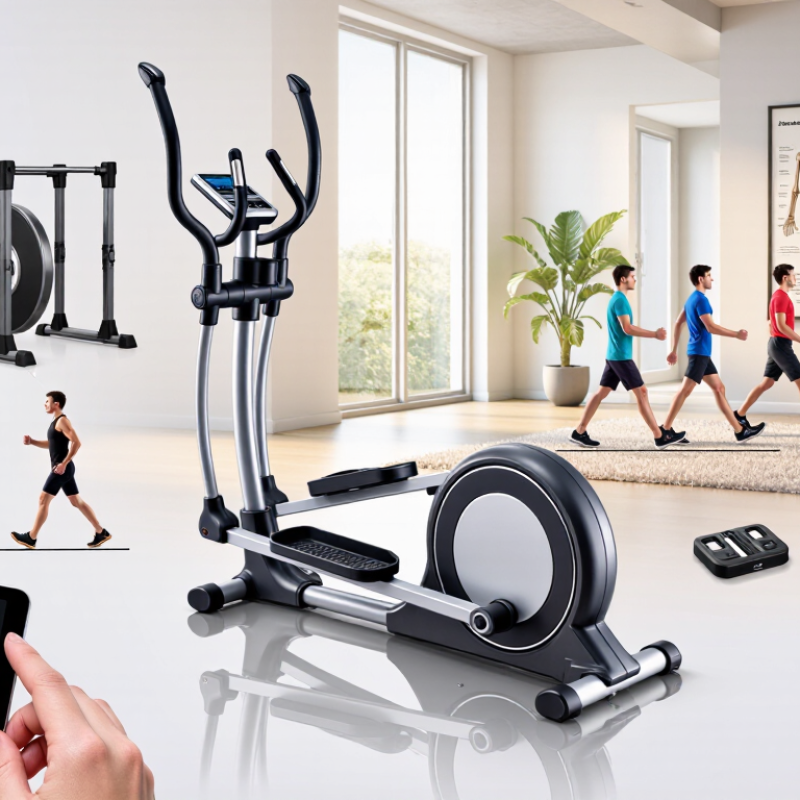
Elliptical interval training alternates short efforts with easier recovery periods. It raises cardiovascular demand without the repeated impact of running. The moving handles can also involve the upper body. Keep your posture tall, shoulders relaxed, and feet flat on the pedals.
A practical session starts with five minutes of gentle movement. Then pedal hard for 30 seconds, followed by 90 seconds at an easy pace. Repeat this pattern four to eight times. Use a resistance that feels challenging, not chaotic. Your effort should reach about 7 or 8 on a ten-point scale. You should speak only a few words during the hard phase.
The main benefits include improved aerobic fitness, better work capacity, and efficient calorie use. Intervals may also make short workouts feel more purposeful. Beginners should begin with four rounds and add volume slowly. I once increased resistance too quickly, and my knees felt strained the next day. That mistake changed my approach: quality matters more than exhaustion. Keep the recovery genuinely easy. Finish with five calm minutes and record resistance, effort, and how your legs feel. A simple training log can reveal progress that the display may not show.
| Program Element | Recommended Data | Programming Guidance | Primary Purpose |
|---|---|---|---|
| Elliptical Interval Programming Framework | |||
| Warm-up | 5–10 minutes | Use an easy pace at RPE 2–3 on a 1–10 effort scale. Gradually increase stride rate and resistance. | Raises body temperature and prepares the cardiovascular and muscular systems. |
| Work interval | 20 seconds–4 minutes | Choose an effort that can be repeated with controlled posture and a smooth stride. RPE may range from 6–9 depending on the session. | Challenges aerobic capacity, muscular endurance, or high-intensity performance. |
| Recovery interval | Equal to or 1–3 times the work interval | Reduce resistance and pace to RPE 2–4. Continue moving rather than stopping when practical. | Allows partial recovery while maintaining continuous cardiovascular activity. |
| Resistance and incline | Moderate, adjustable load | Increase only one major variable at a time. Keep the stride smooth and avoid excessive leaning on the handles. | Controls difficulty without relying only on speed. |
| Cool-down | 5–10 minutes | Gradually reduce pace and resistance to RPE 1–2 before finishing. | Provides a gradual transition from exercise to rest. |
| Sample Interval Sessions | |||
| Beginner steady intervals | 6 rounds | 1 minute at RPE 5–6, followed by 2 minutes at RPE 2–3, plus warm-up and cool-down. | Introduces structured changes in effort with manageable recovery. |
| Moderate aerobic intervals | 8 rounds | 2 minutes at RPE 6–7, followed by 2 minutes at RPE 3–4, plus warm-up and cool-down. | Develops aerobic endurance and pacing control. |
| Short high-intensity intervals | 8–10 rounds | 30 seconds at RPE 8–9, followed by 90 seconds at RPE 2–3, plus a thorough warm-up and cool-down. | Provides a time-efficient, high-effort cardiovascular stimulus. |
| Long threshold-style intervals | 4 rounds | 4 minutes at RPE 7–8, followed by 3 minutes at RPE 3–4, plus warm-up and cool-down. | Builds the ability to sustain a challenging but controlled effort. |
| Progressive ladder | 5 work intervals | 1, 2, 3, 2, and 1 minute at RPE 6–8, with 2 minutes of easy recovery after each work interval. | Improves pacing awareness and adds variety without constant maximum effort. |
| Low-impact recovery intervals | 6 rounds | 1 minute at RPE 5–6, followed by 3 minutes at RPE 2–3. Keep resistance moderate and movement comfortable. | Maintains activity while reducing overall training stress. |
| Main Benefits and Practical Considerations | |||
| Cardiorespiratory fitness | Evidence-supported | Repeated increases in effort can challenge the heart and lungs more than a continuous easy session. | May improve aerobic capacity when performed consistently and progressed appropriately. |
| Time efficiency | Short work bouts with planned recovery | Intervals can create a demanding session within a limited exercise period. | Useful for users who have limited training time. |
| Lower-impact movement | Foot platforms remain in contact with the machine | The elliptical generally avoids the repeated foot-strike pattern associated with running, although individual comfort varies. | Can be a practical option for people seeking lower-impact cardiovascular exercise. |
| Muscular endurance | Controlled resistance and incline changes | Higher resistance can increase the challenge to the legs and hips while preserving a stable stride. | Supports repeated-effort endurance in the lower body. |
| Intensity control | RPE, pace, resistance, and incline | Use perceived exertion together with machine data because displayed speed and calorie values can vary by equipment and user. | Helps users adjust the session to their current fitness level. |
| Progression method | Change one variable at a time | First add repetitions or slightly extend work intervals; later increase resistance, incline, or pace while maintaining technique. | Creates measurable progression and helps avoid unnecessary overload. |
| Recommended frequency | Start with 1 interval session per week | Allow recovery between demanding sessions and use easier continuous exercise on other days if appropriate. | Balances training stimulus with recovery needs. |
| Safety checkpoints | Stable posture, smooth stride, manageable breathing | Stop or reduce intensity if there is chest pain, faintness, unusual shortness of breath, or sharp pain. People with medical conditions should obtain professional guidance before vigorous exercise. | Promotes safe and sustainable training. |
It alternates short, hard efforts with easier recovery periods. The machine raises heart demand with less repeated impact than running.
Start with five gentle minutes. Pedal hard for 30 seconds, then recover for 90 seconds. Repeat four times at first.
Aim for 7 or 8 out of 10. During the hard phase, speaking should feel difficult.
Stand tall with relaxed shoulders. Keep both feet flat on the pedals. Moving handles can involve your upper body.
It may improve aerobic fitness, work capacity, and calorie efficiency. Short workouts can also feel more purposeful.
Keep recovery genuinely easy and increase resistance slowly. I once raised it too quickly, and my knees hurt the next day.
Test frame stability, pedal alignment, noise, stride comfort, and resistance changes. Similar specifications can hide major performance differences.
Request a sample machine and inspection records. Check warranty terms, spare parts, software updates, motor noise, and assembly consistency.
Not always. A polished console cannot fix poor biomechanics, delayed resistance changes, or an irritating pedal gap.
Note resistance, effort, recovery quality, and how your legs feel. The display may miss progress that a simple log reveals.
This guide explains how elliptical interval training can improve cardiovascular fitness, endurance, calorie efficiency, and workout variety when used consistently. It compares China’s top 10 elliptical suppliers by practical features such as stride smoothness, resistance range, console functions, customization options, durability, safety design, and after-sales support, without focusing on brand names. These points can help buyers select equipment that matches home, commercial, or rehabilitation needs.
For users asking, “How to program an interval workout on an elliptical?”, the process begins by defining a goal, such as improving stamina or increasing training intensity. Choose a manageable resistance and duration, then program a gradual warm-up, repeated work intervals, active recovery periods, and a cool-down. Monitor breathing, heart rate, perceived effort, posture, and pedal control throughout the session. Progress safely by changing only one factor at a time, such as resistance, interval length, or total rounds, while allowing enough recovery between workouts.

 Naturist Fitness