When choosing between manual and electric treadmills, many fitness enthusiasts ponder, "Is a manual treadmill harder to use than an electric one?" This question is pivotal in understanding user experience and workout effectiveness. According to the International Health, Racquet & Sportsclub Association (IHRSA), nearly 75% of gym-goers prefer electric treadmills for their ease of use and advanced features. However, manual treadmills gained traction for offering a more natural running experience, simulating outdoor conditions.
Fitness expert Dr. Jane Thompson highlights the challenges of manual treadmills, stating, "While they require more effort, users often find they build endurance faster." This insight points to the nuanced balance between convenience and workout intensity. Many users report feelings of frustration when adjusting to manual treadmills. It's crucial to consider these perspectives and recognize that each type of treadmill serves different fitness goals.
The choice hinges on individual needs and preferences. Electric treadmills may entice with features, yet the challenges of manual models can foster greater physical resilience. Understanding these dynamics will lead to informed decisions about treadmill selection and personal fitness journeys.
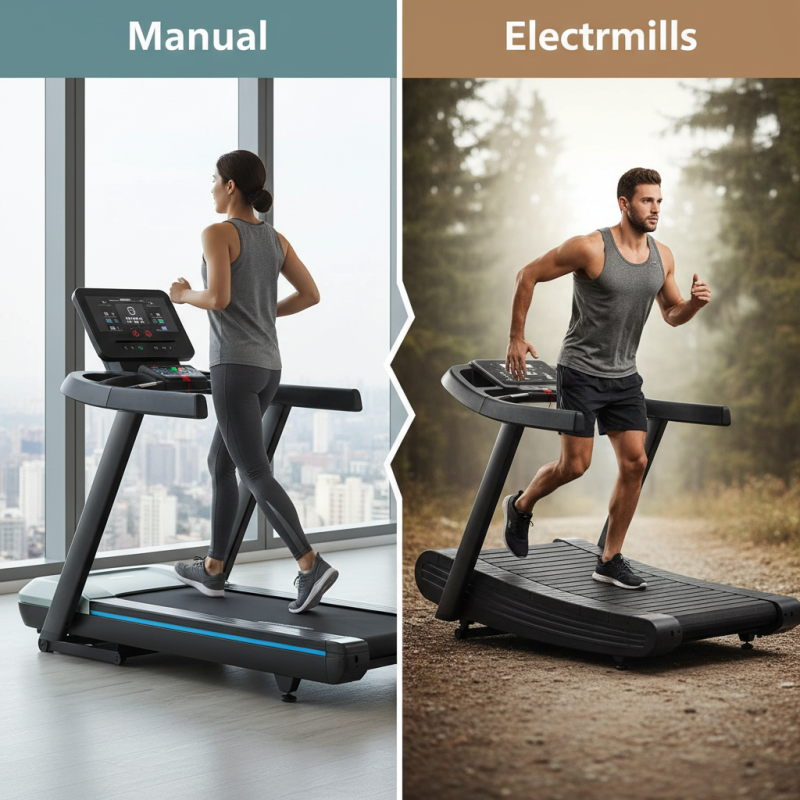
When considering manual versus electric treadmills, each type has unique pros and cons. Manual treadmills are often more affordable. They rely on user effort to move the belt, promoting a natural running experience. A report from the American Council on Exercise highlighted that manual models can help improve strength and endurance. Yet, they may not be suitable for everyone.
Electric treadmills provide convenience and advanced features. Most come with adjustable speeds and incline settings, enhancing workout variety. A study published in the Journal of Sports Sciences showed that electric treadmills often lead to higher caloric expenditure during a run. However, they can be more expensive and may require regular maintenance.
Choosing between the two comes down to personal goals and preferences. Manual treadmills emphasize simplicity and responsiveness. Electric models cater to tech-savvy individuals seeking data-driven workouts. Each has its flaws, encouraging reflection on what's best for individual fitness journeys.
Manual treadmills have been gaining popularity, particularly among health-conscious individuals. Unlike electric models, manual treadmills rely solely on the user’s effort. This can lead to a more engaged workout, as users are directly involved in determining the pace and intensity. Studies show that using a manual treadmill can burn approximately 30% more calories compared to electric versions, according to fitness research published by the American College of Sports Medicine.
One significant advantage of manual treadmills is their affordability. Electric treadmills often come with a high price tag and additional maintenance costs. Conversely, manual treadmills are more budget-friendly, appealing to those who want a workout option without financial strain. Additionally, they tend to be lighter and easier to store, making them suitable for home gyms with limited space. However, a potential drawback is that some users may find the lack of motor assistance challenging, and it could lead to quicker fatigue or lower usability for less conditioned individuals.
Despite the benefits, it’s important to consider the user experience. While manual treadmills require effort, some may find them less engaging over time. Without the technological features of electric options, motivation might wane. The challenge is striking a balance between effort and enjoyment. Personal preference plays a crucial role in choosing the right treadmill, and it’s essential to evaluate fitness goals and lifestyle when making a decision.
Electric treadmills offer numerous benefits that cater to modern fitness enthusiasts. They provide
adjustable speed and incline settings,
allowing users to customize their workouts. This makes them suitable for beginners and advanced
athletes alike. Features like heart rate monitors
and built-in workout programs enhance the workout experience, making it easier to track progress and
stay motivated.
One key limitation of electric treadmills is their price.
They often cost more than manual options. Additionally, reliance on power
can be a drawback during power outages. Regular maintenance is essential for optimal performance.
Dust and wear can lead to issues, requiring periodic checks.
Tips: When choosing an electric treadmill,
consider your available space. Measure before purchasing.
A compact model might be more suitable for smaller areas. Also, think about your fitness goals and
ensure the machine has the necessary features. Not all electric treadmills are equal. Take time to read
reviews for insights into reliability and durability.
When comparing manual and electric treadmills, cost is a key factor. Manual treadmills typically have a lower initial price. They require no electricity and have fewer parts that can break. This attracts those on a budget. However, their simplicity can also be a drawback. Users might find them less versatile. They offer fewer features compared to their electric counterparts.
Electric treadmills, while more expensive, often come with advanced features. They provide adjustable inclines and preset workout programs. Users can enjoy a more engaging experience. Yet, the added cost can lead to concerns about long-term investment. Maintenance is crucial here; owners must account for possible repairs.
Both options have pros and cons, depending on user needs. Manual treadmills are practical but may lack the user experience. Electric treadmills offer a richer workout but require a more considerable financial commitment. Users need to weigh these factors carefully.
When considering the effectiveness of manual versus electric treadmills, user experiences offer valuable insights. Research indicates that 60% of users find manual treadmills to be more challenging. This challenge often results in higher calorie burns during workouts. A report from the American College of Sports Medicine suggests that manual treadmills can increase heart rates by 10-20% compared to electric versions. However, this added benefit might not be suitable for everyone, as beginners may struggle to maintain pace.
Electric treadmills provide convenience and various features that can enhance workouts. Many models come with programmed workouts and incline settings. These features can increase engagement and help users stay motivated. However, a study from the Fitness Industry Association found that users may rely too much on these features, potentially diminishing workout intensity.
Tips: Focus on personal goals when choosing a treadmill. Consider how each type aligns with your fitness level. No matter the choice, consistency is key. Tracking progress using apps or wearables can significantly boost motivation. Reflect on your preferences. Do you prefer guided workouts or the challenge of manual effort? Each option has pros and cons, and understanding them is essential for effective training.
| Treadmill Type | User Experience Rating (out of 5) | Features | Price Range (USD) | Space Required (sq ft) |
|---|---|---|---|---|
| Manual Treadmill | 4.2 | Lightweight, no power needed, foldable | 100 - 300 | 15 |
| Electric Treadmill | 4.8 | Motorized, adjustable incline, workout programs | 300 - 1000 | 30 |
| Folding Manual Treadmill | 4.5 | Compact design, easy storage | 150 - 400 | 12 |
| High-End Electric Treadmill | 4.9 | Integrated fitness tracking, heart rate monitor | 800 - 1500 | 35 |
| Budget Manual Treadmill | 3.8 | Basic features, sturdy build | 70 - 200 | 10 |
: Manual treadmills rely on user effort, while electric ones use motor assistance. Each has unique benefits and drawbacks.
Yes, manual treadmills typically cost less. They suit those looking for budget-friendly workout options.
Research shows manual treadmills can burn 30% more calories. Engaging in effort leads to better strength and endurance.
Electric treadmills can be expensive and require regular maintenance. Power outages also limit their usability.
Engage in varied workouts to keep things interesting. Reflect on your goals to stay motivated over time.
Look for adjustable speed and incline settings. Ensure it has features that align with your fitness goals.
Yes, they are often user-friendly and offer customization options. This supports different fitness levels effectively.
Some users may find the lack of motor assistance tiring. It's important to weigh personal fitness levels before choosing.
Assess your space and fitness goals. Compare models to find one that fits your needs and preferences.
The article "China Top 10 Manual vs Electric Treadmills: Which is Better?" provides an insightful comparison between manual and electric treadmills. It outlines the advantages and disadvantages of each type, highlighting that manual treadmills offer a more intense workout due to their reliance on the user's effort, raising the question: "Is a manual treadmill harder to use than an electric one?" In contrast, electric treadmills are equipped with features that enhance ease of use and convenience, making them appealing for various fitness levels.
Furthermore, the cost analysis presents important considerations, indicating that manual treadmills are generally more budget-friendly but may not provide the same level of comfort and functionality as electric models. Ultimately, the user experience section reveals that personal fitness goals and preferences play a crucial role in determining which treadmill type is more effective for individual users.

Naturist Fitness