In the commercial sector, the choice between commercial-grade machines and residential models is crucial. According to a study by the National Equipment Rental Association, commercial machines are designed to withstand heavy usage, often lasting over a decade. This durability is a significant factor. "Why are commercial-grade machines better than residential models?" posits industry expert John Hartman. He emphasizes, "Commercial machines are engineered for performance and reliability."
Commercial-grade machines offer advanced features tailored for intensive tasks. For example, they typically have more powerful motors and superior materials. These machines provide efficiency that residential models cannot match. In fact, a report from Equipment Today highlights that businesses experience 30% increased productivity with commercial-grade equipment. This translates to significant cost savings in the long run.
Despite the initial investment, the long-term benefits are evident. Owners of commercial machines often find fewer breakdowns and lower maintenance costs. Yet, it’s essential to recognize that not every business needs commercial-grade equipment. Assessing usage and operational needs is vital. Ultimately, the decision rests on understanding specific requirements and the realities of the industry.
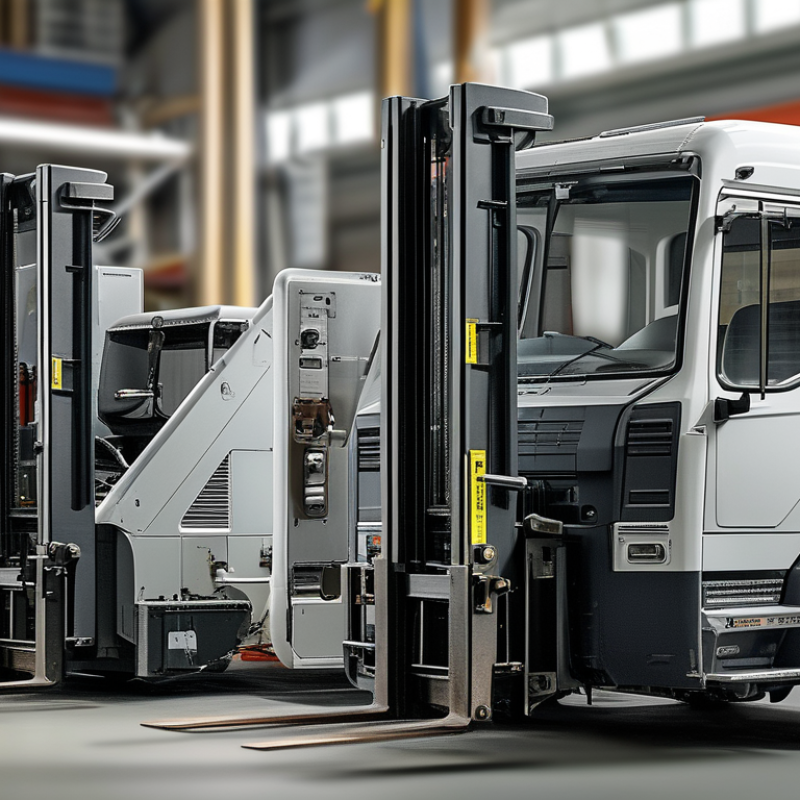
When considering machines for different usage scenarios, understanding the distinctions between commercial and residential models is essential. Commercial machines are built for high frequency and rigorous use. They often feature stronger materials and advanced technology to withstand heavy workloads. For example, a commercial-grade blender can blend through tough ingredients consistently, while a residential model may struggle with the same task. Reliability is key in professional settings, where downtime can lead to lost revenue.
Residential machines may seem sufficient for personal use, but they often lack the durability needed for consistent performance. They are designed for occasional use rather than daily demands. While they might be more affordable, this can come at the cost of longevity and efficiency. A user may find that a residential vacuum cleaner clogs easily and requires more frequent maintenance, which can be frustrating. In contrast, a commercial vacuum is engineered to handle larger debris and perform better in diverse environments.
In the realm of fitness, commercial-grade machines offer superior durability and performance. They provide advanced features that enhance user experience. For example, a commercial treadmill may offer better stability and a higher weight capacity. However, some may find these machines intimidating or overwhelming if they are not accustomed to gym equipment. Achieving the right balance between quality and user comfort is crucial in making informed choices for both home and professional settings.
| Feature | Commercial Grade Machines | Residential Models |
|---|---|---|
| Durability | Built for heavy use and long-lasting performance | Designed for occasional use, may wear out faster |
| Power | Higher power output for more demanding tasks | Lower power output suitable for light tasks |
| Maintenance | Regular maintenance required but often manageable | Less frequent maintenance; simpler components |
| Cost | Higher initial investment for better longevity | Lower initial cost, potential replacement costs |
| Features | Advanced features and capabilities | Basic features suitable for home use |
: Commercial machines are designed for heavy use, while residential models are meant for occasional use.
They are built with stronger materials and advanced technology, making them durable under rigorous conditions.
They reduce downtime, improve productivity, and lower long-term operational costs by performing consistently.
While they are cheaper, they may require more repairs and replacements, leading to higher long-term expenses.
They offer better stability, higher weight capacities, and advanced features that enhance user experience.
Some users find commercial machines intimidating if they are not accustomed to gym equipment.
Assess workload, expected performance, and evaluate warranty options to protect investments.
Yes, they are built to withstand significant wear and tear, often outlasting residential models.
Yes, but the long-term savings on repairs often justify the initial expense.
Choosing the wrong type can lead to frequent breakdowns and customer dissatisfaction.
When considering equipment for business purposes, many may wonder, "Why are commercial-grade machines better than residential models?" Understanding the key differences is essential. Commercial machines are specifically designed to handle the rigorous demands of a business environment, offering superior performance and durability compared to their residential counterparts. They often feature enhanced capabilities, allowing for higher efficiency and productivity.
Moreover, the long-term cost-effectiveness of investing in commercial-grade equipment cannot be overlooked. While the initial purchase price may be higher, the longevity and reduced maintenance costs of these machines make them a smarter choice in the long run. Ultimately, businesses can benefit significantly from the advantages offered by commercial machines, ensuring reliable operation and optimal performance in their daily operations.

 Naturist Fitness