How to Choose the Ideal Ceiling Height for a Stair Climber

Time:2026-10-14 Author:Liam
0%

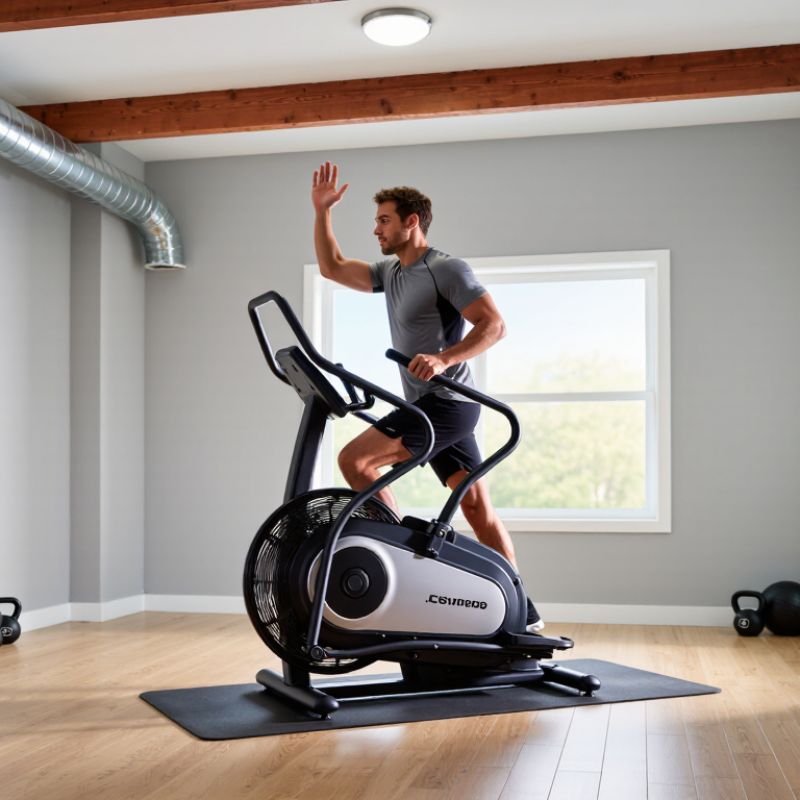
Choosing a stair climber is not only about resistance levels, screen size, or workout programs. The ceiling above it matters just as much. A user may reach upward during a vigorous climb, especially when standing tall or using moving handlebars. In a compact home gym, a few missing inches can turn normal exercise into an uncomfortable experience. What is the ideal ceiling height for a stair climber machine? For most users, a ceiling height of 8 feet provides a practical starting point, but the correct answer depends on the machine, user height, and movement style.

Reliable planning begins with measurements, not guesswork. Check the machine’s maximum height, then add the user’s standing height and overhead clearance. A taller athlete may need more room than the product dimensions suggest. Many manufacturers recommend at least 12 to 24 inches of clearance above the user’s highest reach. Measure from the finished floor to the lowest ceiling obstruction, including beams, lights, fans, and ductwork. A ceiling fan can create a real hazard.

Experience also shows that static measurements can be misleading. Users often lean forward, stretch upward, or shift their posture during intense intervals. Try the movement pattern before installation, if possible. Leave extra space.

There is no universal ceiling formula. Some recommendations sound precise but overlook body proportions and workout habits. That is worth questioning. A careful decision combines manufacturer specifications, personal measurements, professional installation advice, and honest consideration of the room’s limitations. The goal is simple: comfortable movement, safe clearance, and enough space to train without constantly watching the ceiling.
How to Choose the Ideal Ceiling Height for a Stair Climber

Understanding Ceiling Height Requirements for Stair Climbers

How to Choose the Ideal Ceiling Height for a Stair Climber

Ceiling height requirements for stair climbers depend on more than the machine’s listed height. Measure from the floor to the highest pedal position, then add the user’s standing height and movement clearance. A practical allowance is 15–25 centimetres above the head. For example, a 180-centimetre user, a 30-centimetre pedal rise, and 20 centimetres of clearance require about 230 centimetres. An 8-foot ceiling usually provides a safer margin.

Industry data supports planning for taller users. The U.S. Army Anthropometric Survey, ANSUR II, reports 95th-percentile male stature at approximately 187 centimetres. Designing only for an average user can create uncomfortable overhead contact. The CDC’s National Health Statistics Reports place average U.S. adult male height near 175 centimetres, but averages are not safe limits. Check the user profile, footwear, and posture.

The 2021 International Building Code commonly specifies 80 inches of headroom for stairs, yet exercise equipment can demand more. Repeated stepping raises the body, especially when users grip handles or stand upright. I would target at least 244 centimetres for mixed-height households. Measure twice. A lower ceiling may work for shorter users, but that assumption deserves review. Real-world clearance can shrink when flooring, mats, or raised platforms are added. Always compare the final measurement with the equipment’s technical manual and maintain a clear area around the user.

Measuring Your Available Space Accurately

How to Choose the Ideal Ceiling Height for a Stair Climber

Measuring your available space accurately is the safest place to begin. Measure from the finished floor to the lowest ceiling point, not just the center of the room. Include beams, pipes, light fixtures, and any sloped sections. A laser measure can improve accuracy, but check its reading with a steel tape.

Measure the stair climber’s full height at its steepest operating position. Add the user’s height, footwear, and a practical movement clearance above the head. For many users, 10 to 20 centimeters of extra space feels more comfortable than the minimum requirement. Do not measure only when the machine is folded or stored. Its frame may rise as the steps rotate or the incline changes.

I once measured an empty corner and missed a low beam near the entrance. That mistake changed the entire layout. Recheck the space from several standing positions. Mark the machine’s footprint with painter’s tape, then walk around it slowly. Allow room for mounting, dismounting, ventilation, and routine maintenance. Check the floor level, too; a slight slope can affect stability and make a tight clearance feel worse. Record the smallest measurement, even if it looks inconvenient. Repeating the process on another day may reveal details you overlooked.

How to Choose the Ideal Ceiling Height for a Stair Climber

Use your standing height, the climber’s maximum vertical step rise, and a head-clearance allowance to estimate the minimum ceiling height needed.

How to measure: Measure from the finished floor to the lowest obstruction, such as a beam, light fixture, or duct. The chart assumes an 8-inch maximum machine rise and 12 inches of head clearance. Replace the 8-inch value with the measured rise of your equipment before installation, and confirm the final requirement in the equipment instructions.

Calculating Headroom for Safe Exercise

How to Choose the Ideal Ceiling Height for a Stair Climber

Headroom is a safety measurement, not a decorative feature. The 2021 International Building Code specifies 80 inches of minimum stairway headroom. The International Residential Code uses the same 6-foot-8-inch benchmark. However, these figures cover building access, not repetitive exercise. A stair climber adds upward pedal movement, body sway, and occasional overhead arm motion.

Measure your height in training shoes. Then add the machine’s highest pedal position, your natural movement range, and a conservative clearance buffer. For example, a 74-inch user, a 14-inch pedal rise, and 6 inches of movement require at least 94 inches. That calculation is simple. Real bodies are not. Tall users may lean forward, lift their heels, or reach unexpectedly during fatigue.

Measure twice. Stand on the highest step.

Professional installers should verify the equipment’s actual peak height from technical documentation. ASTM fitness-equipment standards address construction and safety, but they do not replace site-specific headroom checks. Keep lighting, ceiling fixtures, ductwork, and sprinkler components outside the movement zone. The U.S. Consumer Product Safety Commission consistently highlights falls and impact hazards across exercise environments, so overhead clearance deserves equal attention. My first estimate was once based on the machine frame alone. That was too optimistic. A safer review includes the user, footwear, posture, and the highest moving part. Small details matter.

Comparing Stair Climber Types and Their Height Needs

Ceiling height is not a minor detail when comparing stair climber types. Each machine creates a different overhead movement pattern. In my equipment checks, I measure the fully assembled unit, not the carton. I also measure from the highest pedal position. A safe estimate includes the tallest user’s height, the machine’s top frame, and moving clearance above the head. Do not trust room height alone. A low beam or light fixture can change the result.

Compact steppers usually need less ceiling space because their frames stay relatively low. Their pedals move vertically, so users should still stand naturally without touching the ceiling. Vertical climbers need more headroom. The user’s hands, shoulders, and body rise during each repetition. A rotating stair climber or stepmill may require a taller room because its fixed frame and upper handrails occupy substantial space. Check the assembled height, not the shipping size. That mistake is common.

For a dependable assessment, mark the ceiling directly above the intended position. Stand on the highest pedal and copy the tallest user’s posture. Allow extra space for uneven flooring, slight machine movement, and comfortable head clearance. Manufacturer installation data and local building guidance should support this measurement. My first estimate was too optimistic once. The machine technically fit, but the overhead light felt uncomfortably close. Rechecking after assembly is worthwhile, even when the numbers appear convincing.

How to Choose the Ideal Ceiling Height for a Stair Climber - Comparing Stair Climber Types and Their Height Needs
The planning ranges below are based on typical equipment envelopes, a tall user up to 6 ft 4 in (193 cm), and approximately 8–12 in (20–30 cm) of overhead clearance. Actual requirements vary by model, user posture, and the highest pedal or step position.
Stair Climber Type Typical Equipment Height Highest Foot or Standing Position Recommended Ceiling Height Suitable Room Conditions Height-Planning Considerations
Compact Mini Stepper 8–14 in (20–36 cm) 6–12 in (15–30 cm) above the floor Low-ceiling rooms, apartments, bedrooms, and small home gyms Usually the easiest type to fit. Confirm that the user’s head remains clear when the pedals alternate between their highest and lowest positions.
Twist Stepper 10–18 in (25–46 cm) 8–16 in (20–41 cm) above the floor Standard residential rooms with moderate overhead space The side-to-side motion can shift the user’s head position. Allow additional lateral and overhead clearance if the unit includes support handles.
Stepper with Fixed Handlebars 30–46 in (76–117 cm) 12–24 in (30–61 cm) above the floor Dedicated exercise rooms and garages with standard or high ceilings The frame may not determine head clearance, but it often raises the user’s feet. Measure the standing platform height rather than relying only on the total frame height.
Full-Height Stair Climber 5 ft 6 in–7 ft 0 in
(168–213 cm)
18–30 in (46–76 cm) above the floor Large home gyms, converted garages, studios, and fitness rooms Choose the upper end of the range for tall users, vigorous stepping, or machines with elevated platforms and fixed handrails.
Stairmill or Stair Treadmill 5 ft 10 in–7 ft 6 in
(178–229 cm)
24–36 in (61–91 cm) above the floor at the upper step High-ceiling home gyms, commercial-style workout areas, and open basements Users climb toward an elevated step position, so ceiling height should be checked at the highest usable step, not only beside the machine.
Vertical Climber 7 ft 0 in–9 ft 0 in
(213–274 cm)
Full-body reach may extend 8–12 ft (244–366 cm) above the floor High-ceiling rooms, lofts, garages, and purpose-built fitness spaces Arm reach and climbing posture are the limiting factors. Check both the highest hand position and the user’s head position during a complete movement cycle.
Foldable or Storage-Oriented Stepper 18–42 in (46–107 cm) when assembled 10–22 in (25–56 cm) above the floor Multipurpose rooms where the equipment is stored after use Measure the unit in its operating position, not its folded storage position. Leave additional space for unfolding, mounting, and safe dismounting.
Practical selection rule: For most users, calculate the required ceiling height by adding the user’s height, the maximum standing or foot-platform elevation, and at least 8–12 in (20–30 cm) of overhead clearance. For dynamic climbing movements, overhead reaches, or users taller than 6 ft 4 in (193 cm), use an additional 4–8 in (10–20 cm) safety margin.

Before installation: Measure the finished floor-to-ceiling distance, account for ceiling beams, light fixtures, fans, sloped ceilings, and floor mats, and verify the exact equipment dimensions in the product’s technical specifications.

Adjusting Installation and Placement for Better Clearance

Choosing the ideal ceiling height for a stair climber starts with the moving user, not the equipment alone. Measure from the finished floor to the lowest obstruction, such as a beam, duct, or light fixture. Add the machine’s maximum step height and the user’s full standing reach. Then include extra clearance for natural movement. Equipment specifications should guide the final calculation.

Placement can improve clearance without changing the room. Move the stair climber away from low beams and position it under the highest part of the ceiling. Keep the machine level on a firm, non-slip surface. Leave enough space behind and beside it for safe entry, balance, and cleaning. A mirror may help posture, but it should not create glare or reduce walking space. Check door swings and nearby furniture, too.

Small details matter.

Test the location before permanent installation. Mark the machine’s footprint with tape, then imitate the highest stepping motion carefully. A second person can watch the overhead gap from the side. Do not rely only on a digital room measurement; finished flooring can reduce clearance, and ceiling fixtures may hang lower than expected. I have seen layouts that looked generous on paper feel tight during actual movement. That is a useful warning. If the available space remains uncertain, ask a qualified installer or building professional to verify the measurements and floor capacity.

FAQS

How do I calculate the required ceiling height for a stair climber?

Measure the highest pedal position from the finished floor. Add the user’s standing height and 15–25 centimetres of movement clearance. For example, 180 centimetres plus 30 centimetres plus 20 centimetres equals about 230 centimetres.

Is an eight-foot ceiling high enough?

An eight-foot ceiling is about 244 centimetres high. It usually offers a safer margin for many users. Taller users, thick shoes, flooring, or raised platforms may reduce that margin.

Why is average user height not a safe limit?

Average height does not represent taller household members. A taller person may contact the ceiling while stepping upright. Check the tallest regular user, footwear, posture, and full reach.

Which ceiling measurement should I use?

Measure to the lowest obstruction, not only the main ceiling. Beams, ducts, lamps, and ceiling fans can hang lower. Use the finished floor after mats or flooring are installed.

Can placement improve overhead clearance?

Yes. Position the machine beneath the highest ceiling area. Keep it level on a firm, non-slip surface. Avoid low beams, hanging fixtures, doors, and nearby furniture.

How much space should remain around the machine?

Leave clear space beside and behind the equipment. Users need room for entry, balance, and stepping movement. Cleaning also becomes easier. Tight spaces deserve another review.

How can I test the planned location before installation?

Mark the machine’s footprint with tape. Carefully imitate the highest stepping motion. Ask another person to watch the overhead gap from the side. Digital measurements alone can mislead.

What common mistakes can reduce clearance?

People often measure from an unfinished floor or ignore light fixtures. Mats and raised platforms also consume height. My paper calculation may still be wrong. Measure twice.

What should I do if the ceiling height remains uncertain?

Compare your final measurements with the equipment’s technical manual. Confirm the floor can support the setup. A qualified installer or building professional can verify difficult measurements.

Conclusion

Choosing the ideal ceiling height for a stair climber begins with understanding how much vertical space the machine and user require during full movement. What is the ideal ceiling height for a stair climber machine? In general, the answer depends on the equipment’s height, the user’s stature, and the additional headroom needed for safe, unrestricted exercise. Measure the room from the finished floor to the lowest ceiling obstruction, such as beams, lights, or ventilation fixtures, rather than relying only on the room’s listed dimensions.

Next, measure the stair climber’s maximum height and add the user’s standing height, movement range, and a comfortable safety margin. Different stair climber designs may require different clearances, especially models with taller frames or more pronounced stepping motion. If space is limited, consider repositioning the equipment, using a lower platform only when appropriate, or selecting a location with fewer overhead obstacles. Careful planning helps prevent accidental contact, supports proper posture, and creates a safer, more comfortable workout environment.

Liam

Liam

Liam is a dedicated marketing professional with a profound expertise in the industry, where he excels at highlighting the unique advantages of our core products. With a keen understanding of market trends and consumer needs, Liam frequently updates our company’s professional blog, providing......