Choosing the right treadmill is crucial for anyone serious about fitness. The debate between curved and flat treadmills is a common one. Both types offer unique features that cater to different workout styles. But what are the benefits of using a curved treadmill vs a flat one?
Curved treadmills boast a design that promotes natural running motion. They require more effort, engaging various muscle groups effectively. Users often report better workouts in less time due to the incline. Meanwhile, flat treadmills provide steady, predictable terrain. They are familiar to many and great for beginners.
While curved models may seem intimidating, they offer tremendous benefits. However, they can be pricey and take up more space. Flat treadmills tend to be more budget-friendly. A careful evaluation of personal goals is essential. Ultimately, the choice may hinge on one's fitness level and workout preferences.
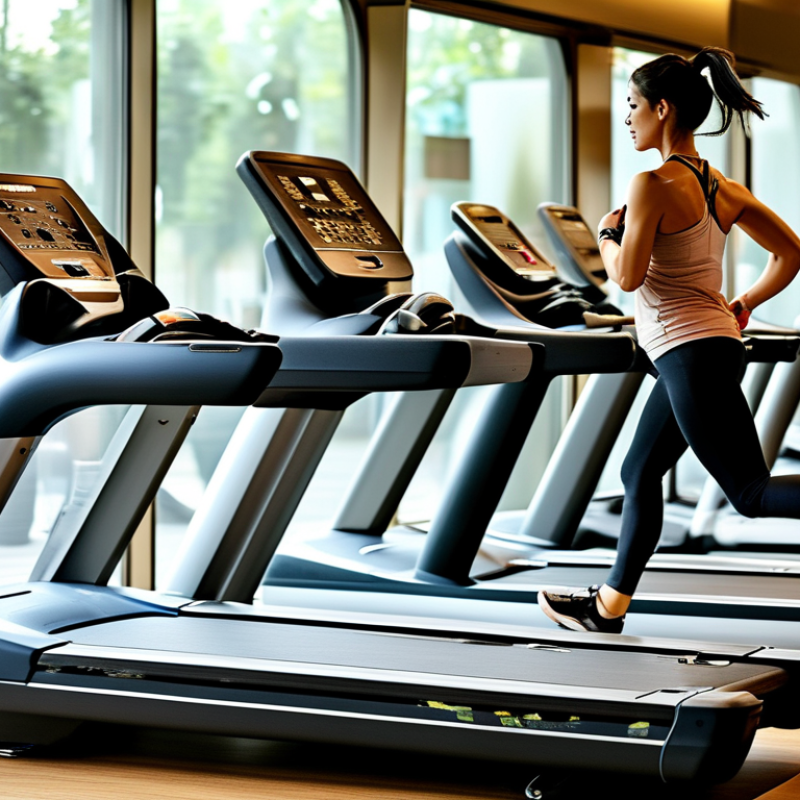
When selecting a treadmill, understanding the differences between curved and flat models is crucial. Curved treadmills allow for a more natural running motion. They rely on the user's effort to power the belt. This can lead to a more intense workout, requiring greater engagement of your muscles. If you aim for higher performance or have athletic goals, curved options may be beneficial.
On the other hand, flat treadmills offer convenience. They often have preset programs and controls for speed adjustments. This can make them easier for beginners or those who prefer a structured workout. However, they may promote a less dynamic running experience. Some users find themselves resisting the temptation to rely on the machine's settings rather than challenging themselves.
Both types have their pros and cons. Curved treadmills can lead to fatigue more quickly, requiring careful consideration of pace. Flat treadmills might limit your running form over time. Reflecting on your fitness goals is key to making the right choice between them.
When choosing between curved and flat treadmills, understanding their design and functionality is crucial.
Curved treadmills feature a self-powered mechanism that allows users to control their speed and intensity. In a study by the American College of Sports Medicine, it was noted that these machines can increase calorie burn by up to 30% compared to traditional treadmills. This aspect often appeals to those aiming for intense workouts that demand more effort and engagement.
Conversely, flat treadmills are typically motorized and offer consistent pacing options.
They often come with preset programs, making them suitable for beginners who require less variability during exercise. According to a survey by the International Health, Racquet & Sportsclub Association, 65% of gym-goers prefer flat treadmills for their ease of use and familiarity. These machines are excellent for steady-state cardio, yet they may lack the dynamic experience that curved treadmills provide.
Both types of treadmills present their own set of challenges. Some users find curved treadmills daunting due to their unique mechanics. On the other hand, flat treadmills might encourage a less engaging workout, leading to boredom over time. Reflecting on personal fitness goals and preferences is vital. The best choice hinges on individual fitness levels, workout styles, and overall motivation.
Choosing between curved and flat treadmills hinges on your health benefits and fitness goals. Curved treadmills promote a more natural running motion. Studies suggest they can improve cardiovascular fitness, boosting endurance over time. Research indicates that working out on curved machines can burn up to 30% more calories compared to flat equivalents. This option also engages more muscles, particularly your core and glutes.
Flat treadmills, in contrast, provide a stable surface ideal for beginners or those with specific training objectives. They allow accurate control over speed and incline, essential for effective interval training. Many users prefer flat treadmills for walking or light jogging. Interestingly, a report from the American Council on Exercise states that a consistent walking routine can lower the risk of heart disease by 30-40%.
**Tip:** Consider your fitness level before making a choice. Curved models may be challenging for newcomers. Alternatively, if you're training for distance, start with a flat treadmill and gradually incorporate curves.
**Tip:** Experience matters. If you feel fatigued quickly on a curved model, it might not be the right fit yet. Listen to your body and adjust as needed. Incorporate both types to find your sweet spot.
When it comes to choosing between curved and flat treadmills, performance metrics like speed and calories burned play a crucial role. Curved treadmills often require more effort due to their design, which can lead to increased calorie burn. This is ideal for high-intensity workouts. In contrast, flat treadmills allow for consistent pacing, making them great for long-distance training.
Tips: Focus on your fitness goals. If weight loss is a priority, consider a curved treadmill. For endurance training, a flat treadmill may be a better fit. It's essential to assess how your body responds to different treadmill types.
Both options have their advantages and drawbacks. A user might find the curved treadmill more challenging, but that could lead to higher gains over time. Flat treadmills can be easier to use but might not engage muscles in the same way. Reflect on your experience and adjust your training accordingly. Remember, the right choice should feel comfortable yet push your limits.
When considering the cost comparison between curved and flat treadmills, it's essential to evaluate their long-term investments. Curved treadmills can have a higher upfront cost. However, they often require less maintenance and can last longer. These treadmills draw on your body weight, creating a unique running experience. Users might find them more engaging, encouraging longer workout sessions.
Flat treadmills typically come with various pricing options. They may initially seem more budget-friendly, but hidden costs can accumulate over time. For instance, the belts may wear out faster and need replacement. Further, they often demand regular maintenance. Users may not realize that the running experience on a flat treadmill can also lead to boredom. This could reduce motivation over time.
Making a choice between these two types requires personal reflection. Consider your workout habits and preferences. Some users might prefer the simplicity of a flat treadmill. Others might appreciate the challenge and unique benefits of a curved model. Each option has its pros and cons, and understanding these will help you make the best decision for your fitness journey.
This chart illustrates the average cost of curved treadmills compared to flat treadmills. Curved treadmills generally have a higher initial investment, but their unique features may provide additional long-term benefits for certain users.
: Curved treadmills are self-powered and allow speed control. Flat treadmills are motorized and offer consistent pacing.
Curved treadmills can increase calorie burn by up to 30%, appealing to those seeking intense workouts.
Many beginners enjoy flat treadmills for their ease of use and preset programs, as noted by surveys.
They may lead to boredom over time due to their lack of variability and less engaging experience.
Curved treadmills often have a higher initial cost but may require less maintenance, becoming a better long-term investment.
They might seem affordable, but hidden maintenance costs can accumulate, making them potentially more expensive in the long run.
Users should reflect on personal preferences. Some feel challenged by curved models, while others find comfort in flat treadmills.
Different fitness levels drive engagement. Beginners might appreciate the simplicity of flat treadmills, while experienced users may benefit from curved ones.
Yes, some may feel overwhelmed by the mechanics of curved treadmills, which can affect their workout motivation.
Personal motivation is crucial. If workouts are boring, people will likely lose interest regardless of the treadmill type.
When considering a treadmill, it's essential to evaluate the differences between curved and flat models. Curved treadmills feature a unique design that allows users to control their speed through their natural running motion, offering a more engaging workout. They are generally seen as more effective for burning calories and improving cardiovascular fitness. On the other hand, flat treadmills provide a straightforward experience, often equipped with various preset programs that cater to different fitness goals.
"What are the benefits of using a curved treadmill vs a flat one?" This question highlights the advantages of curved models, such as enhanced muscle engagement and lower impact on joints. Additionally, during performance analysis, curved treadmills often yield higher calorie burn and improved overall fitness metrics. Cost considerations also play a role in decision-making, as the initial investment in a curved treadmill may be offset by long-term benefits in health and fitness. Ultimately, choosing between these two types hinges on individual fitness goals and preferences.

Naturist Fitness