Exercise bikes have gained popularity for their convenience and effectiveness. Many people wonder, "Can I ride an exercise bike daily without injuring my hips?" A recent report from the American Academy of Orthopaedic Surgeons highlights that overuse injuries are common in repetitive activities, including cycling. With proper technique and equipment, daily cycling can be safe.
Experts note that maintaining the correct bike set-up is crucial. A poorly adjusted seat height can lead to hip strain or injury. According to the National Center for Biotechnology Information, cycling should not cause pain if done correctly. However, it requires awareness of one's body and listening to any discomfort.
Daily use can be beneficial for cardiovascular fitness and weight management. Research indicates that low-impact exercises like cycling reduce the risk of joint injuries. Yet, it's essential to incorporate rest days and cross-training. Realistically, creating a balanced routine might enhance long-term results. Engaging with fitness professionals can provide personalized guidance.
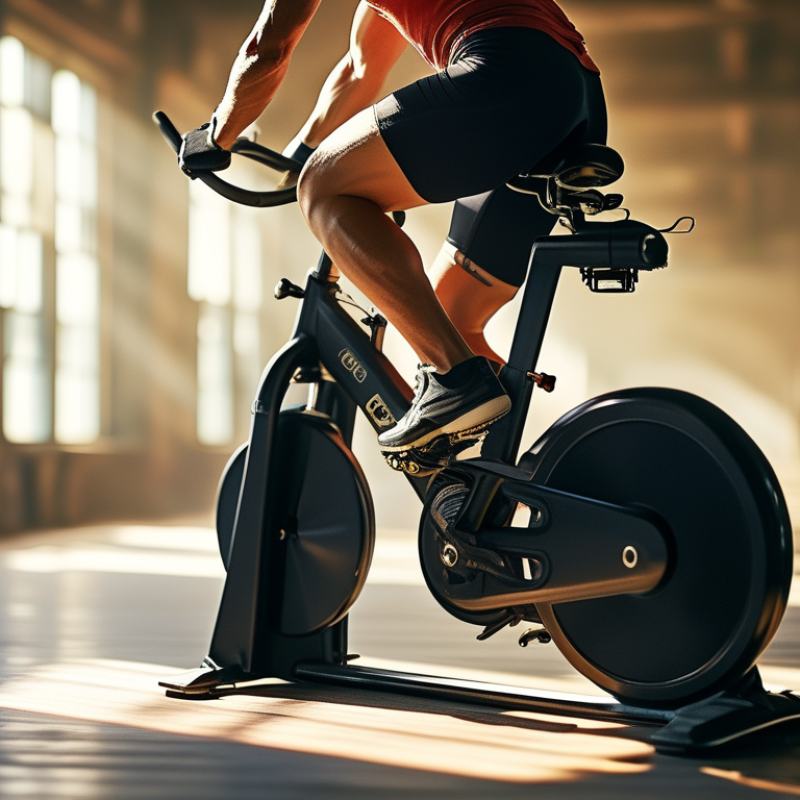
Understanding hip anatomy is essential for anyone considering daily exercise bike use. The hip joint connects the pelvis to the thigh bone. This ball-and-socket joint allows for a wide range of movement. However, if not properly aligned, it can lead to injuries. The muscles surrounding the hip, including the gluteals and hip flexors, play a vital role in cycling efficiency and comfort.
Cycling puts stress on the hip joints. Overuse without breaks may cause pain or discomfort. It’s crucial to check your bike setup. An incorrect seat height can lead to hip strain. This strain often goes unnoticed. Focus on your body movements while cycling. Pay attention to sensations in the hip area. If pain arises, consider adjusting your routine. Listening to your body is imperative.
Engaging in stretching and strengthening exercises can also provide support. These exercises maintain flexibility and strength around the hip. Building hip stability can prevent injuries. Track your cycling duration and intensity. Gradual increases are key to avoiding hip issues. Regularly scheduled rest days can also play a significant role in avoiding overuse injuries.
Riding an exercise bike can significantly benefit hip health. It is a low-impact activity, which places less stress on the joints compared to running or jumping. Research from the American College of Sports Medicine indicates that low-impact cycling can improve joint mobility and muscle strength around the hips. This is especially beneficial for those recovering from injury or dealing with chronic pain.
Cycling daily can enhance blood circulation in the hip region. Improved circulation helps deliver nutrients and oxygen to tissues, promoting better healing and recovery. A study published in the Journal of Orthopaedic & Sports Physical Therapy found that consistent cycling aids in reducing inflammation related to hip conditions. However, it's crucial to listen to your body. Pushing too hard may lead to discomfort or overuse injuries.
Additionally, maintaining proper form is essential. Poor posture can strain the hips and lower back. Adjusting the bike seat to the correct height can alleviate unnecessary pressure. Individuals should also consider alternating their workout routines to incorporate rest days. This approach allows for muscle recovery, which is vital for long-term hip health. While daily cycling offers numerous benefits, it's important to be mindful of body signals to avoid potential issues.
Cycling is popular for fitness, but it can lead to hip injuries. Common issues include hip flexor strains, bursitis, and labral tears. According to studies, approximately 20% of cyclists experience hip-related problems. Overuse and improper bike fit often contribute to these injuries. When cycling without proper adjustments, your body compensates, leading to strain.
To prevent injuries, pay attention to your bike setup. Ensure your seat height allows for a slight bend in your knee. This can reduce the risk of overextending. Additionally, take time to stretch before and after rides. Strengthening your hip muscles helps improve stability, reducing injury risk.
Regularly examine your cycling habits. Are you pushing too hard or cycling too long? Listen to your body. If you feel persistent pain, it may be a warning sign. It’s essential to balance your routine and rest adequately. Not every day needs to be intense. Adjustments can make a significant difference in your cycling experience.
Riding an exercise bike daily can benefit your fitness routine, but precautions are necessary to prevent hip injuries. Begin with proper bike setup. Adjust the seat height to ensure your knees aren't overly bent or fully extended during pedaling. A misalignment can lead to discomfort or injury over time.
Warm up before your session. A simple five-minute stretch can make a difference. Focus on hip flexors and legs. Engaging these muscles prepares them for the ride ahead. Take breaks if you feel any tension. Pushing through pain isn’t wise.
Listen to your body during and after workouts. If you experience persistent pain, consider reassessing your technique or frequency. Overuse can lead to strain, particularly in the hip area. Mixing low-impact activities, like walking or swimming, offers variation while reducing risk.
| Tip | Description | Duration | Frequency |
|---|---|---|---|
| Warm-Up | Begin with a 5-10 minute warm-up to prepare your muscles. | 5-10 minutes | Before each session |
| Proper Posture | Maintaining a straight back and relaxed shoulders helps in reducing strain. | N/A | Every session |
| Avoid Excessive Resistance | Using too much resistance can strain hips and knees. Start light. | N/A | Every session |
| Cool Down | Finish with a 5-10 minute cool down to help muscles recover. | 5-10 minutes | After each session |
| Listen to Your Body | If you feel pain, stop and assess your technique or take a break. | N/A | As needed |
Riding an exercise bike daily can be beneficial, but be mindful of overuse symptoms. Hip discomfort or persistent pain are common signs. If you notice any tightness in your hips after riding, it is important to pay attention. Ignoring these symptoms can lead to more serious injuries.
Other warning signs include swelling or inflammation around your hips and knees. If you feel weakness in your legs, it may indicate that your body needs rest. Listen closely to your body’s signals. If the pain worsens or does not improve after a few days of rest, consider consulting a healthcare professional. They can provide tailored advice based on your specific circumstances.
Daily cycling should not result in discomfort. Poor form or excessive resistance can contribute to hip issues. Regularly evaluate your cycling technique and adjust your workout intensity. Remember that taking rest days is essential for recovery. Balancing activity and rest is vital in preventing injuries. Being proactive can help maintain your overall health while enjoying daily exercise.
: Riding an exercise bike is low-impact, reducing stress on joints. It can improve joint mobility and muscle strength.
Cycling daily enhances blood flow in the hip area. Better circulation delivers nutrients and oxygen, aiding recovery.
Common injuries include hip flexor strains, bursitis, and labral tears. Proper bike fit can help minimize these risks.
Focus on bike setup and ensure seat height allows a slight knee bend. This reduces the risk of overextending.
Poor posture can strain hips and lower back. Proper form helps in avoiding discomfort and potential injuries.
Incorporating rest days is essential for muscle recovery. Not every day needs to be an intense cycling day.
Be mindful of persistent pain. It’s a warning sign that may indicate overuse or improper technique.
Regularly examine your cycling habits. Adjusting intensity and duration can significantly enhance your cycling experience.
The article addresses the question, "Can I use an exercise bike every day without injuring my hips?" by exploring the anatomy of the hip and its critical role in cycling. It acknowledges the benefits of using an exercise bike, particularly for maintaining hip health and promoting low-impact cardiovascular fitness. However, it also highlights common hip injuries that cyclists may face, emphasizing the importance of understanding one's body and limits.
To safely enjoy daily exercise biking, the article provides tips for effective usage, including proper setup and technique to minimize strain. It also outlines signs of overuse, reminding readers to listen to their bodies and seek medical advice if they experience persistent discomfort. By following these guidelines, individuals can enhance their biking experience while protecting their hip health.
Naturist Fitness