When considering weight loss, choosing the right exercise equipment is crucial. Many people wonder, "How to choose between a treadmill and an elliptical for weight loss?" According to fitness expert Dr. Mark Anderson, "Both machines offer unique benefits, but your personal goals should guide your choice."
Treadmills provide a natural running experience. They build stamina and strengthen leg muscles. An elliptical machine, on the other hand, offers a low-impact workout that is gentle on the joints. This is especially beneficial for those with injuries or joint problems. Both machines can help burn calories effectively, but individual experience varies.
Reflecting on your fitness goals is vital. If running or walking is your passion, the treadmill might be right. However, if you seek a full-body workout, try the elliptical. Ultimately, understanding your preferences and physical needs can lead to a better decision. Finding the right balance between enjoyment and effectiveness is key in this journey.
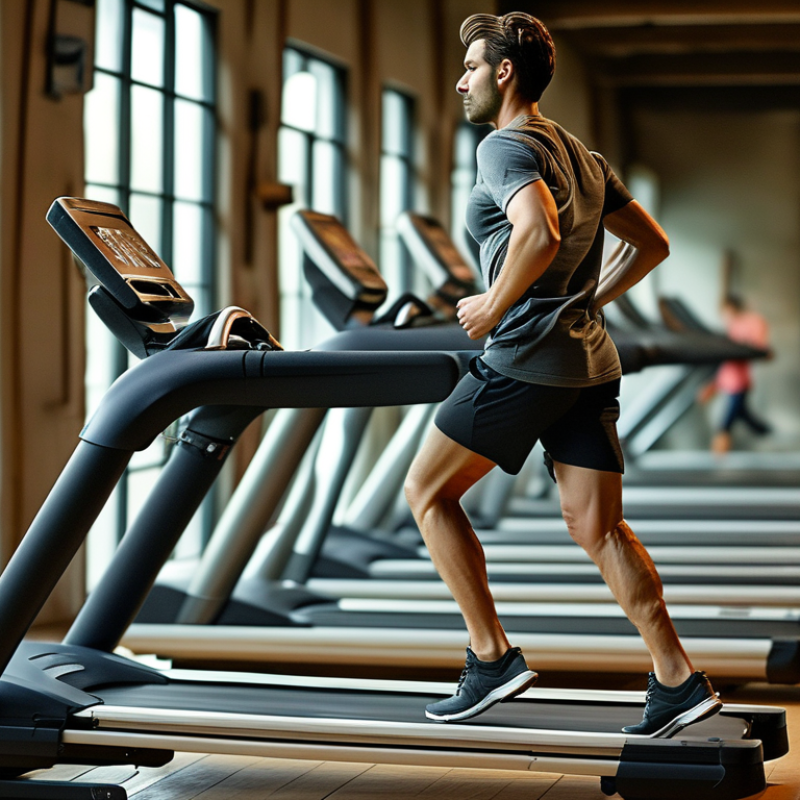
Understanding the Fundamentals: Treadmill vs. Elliptical for Weight Loss
When considering weight loss, understanding the differences between a treadmill and an elliptical is crucial. Both machines offer cardiovascular benefits, but their mechanics vary. Treadmills simulate running or walking, engaging multiple muscle groups. The impact, however, can be significant, potentially causing strain on joints. If you're new to exercising or have injuries, this is a key factor to think about.
Ellipticals, in contrast, provide a low-impact workout. They emphasize smooth movements that reduce stress on your knees and hips. This can be particularly beneficial for those recovering from injuries. However, some might feel that using an elliptical leads to less intense workouts compared to treadmills. It's essential to adjust the resistance and incline settings for adequate challenge.
Ultimately, the choice should reflect your fitness level and personal preferences. A treadmill can be more appealing for those who enjoy running, while ellipticals may attract those seeking a gentler workout. Observe how each machine affects your body over time. It's vital to stay adaptable in your routine, as consistency is key in weight loss.
Comparison of Calorie Burn: Treadmill vs. Elliptical for Weight Loss
This bar chart illustrates the calories burned in 30 minutes of exercise using a treadmill compared to an elliptical machine. The treadmill typically allows for a higher calorie burn, making it a popular choice for those focused on weight loss.
Comparative Caloric Burn: Treadmill vs. Elliptical Statistics
When it comes to weight loss, comparing the treadmill and elliptical is essential. Studies suggest that treadmills often lead to a higher caloric burn. For example, a 155-pound person can burn approximately 700 calories per hour running at a moderate pace. In contrast, the elliptical machine may burn around 600 calories in the same time frame at a vigorous intensity.
However, the actual caloric burn can vary based on individual factors. Body weight, workout intensity, and exercise duration all play crucial roles. Some research indicates that ellipticals might reduce the impact on joints, making them preferable for those recovering from injuries. This ability to engage different muscle groups can also affect caloric expenditure.
Yet, not every workout is perfect. Some users report that ellipticals may not offer enough intensity for maximal weight loss. Others find the treadmill more monotonous, leading to shorter sessions. It's vital to recognize personal preferences in exercise routines. Engaging in something enjoyable ensures consistency, which is key for effective weight management.
Impact on Joint Health: Treadmill and Elliptical Considerations
When considering joint health, both treadmills and ellipticals offer distinct advantages and disadvantages. Treadmills provide natural movement, mimicking walking or running. However, the impact on joints can be significant, especially for those with pre-existing issues. Running on hard surfaces may lead to discomfort in the knees and hips.
Ellipticals, on the other hand, are often praised for their low impact. The smooth motion reduces stress on the joints, making them suitable for extended workouts. This format promotes cardiovascular health while minimizing the risk of injury. It's an excellent choice for those recovering from joint ailments.
Tips for joint health: Always warm up before exercising. Stretching helps prepare the body. Also, consider your body’s signals during workouts. If you feel pain, it might signal a need for adjustment. Remember that exercising should not solely focus on calories burned, but also on maintaining overall wellbeing. Listen to your body; it knows best.
User Experience: Comfort and Adaptability in Training Regimens
When deciding between a treadmill and an elliptical for weight loss, user comfort plays a crucial role. Both machines offer unique advantages. A treadmill mimics natural walking and running. This can feel familiar and satisfying. However, it may put more stress on your joints. In contrast, an elliptical allows for a low-impact workout. It supports a smooth motion, making it easier on the knees.
This is essential for those with previous injuries.
Tip: Try both machines to see which feels better. Spend about 15 minutes on each. Consider factors like stability and comfort. Does one make your joints feel strained?
Adaptability in training regimens is vital. The treadmill offers speed and incline adjustments. This allows for varied workouts tailored to your fitness level. An elliptical typically has adjustable resistance, making it great for endurance training. Both machines can help you achieve weight loss goals. Experiment with different programs to keep your routine fresh and engaging.
Tip: Set small, achievable goals each week. Track your progress.
Celebrate these milestones to stay motivated. This will help maintain your commitment to your fitness journey.
Long-Term Sustainability: Choosing Equipment for Consistent Weight Loss
When choosing between a treadmill and an elliptical for weight loss, consider long-term sustainability. Both machines offer effective cardio workouts, but their impact on your body varies. A treadmill mimics natural running but can strain joints. In contrast, an elliptical provides a low-impact option, reducing injury risk while still burning calories.
Your workout routine needs to be enjoyable for sustained results. If you love running, the treadmill might appeal to you. However, if you struggle with joint pain, the elliptical’s gliding motion could be more suitable. Remember, consistency is key; it's better to choose a machine you enjoy using regularly.
Regularly evaluate your feelings towards your chosen equipment. Are you still excited to use it? If not, it may be time to switch. Assessing your progress is crucial for long-term success. Set realistic goals and adjust your workouts as necessary. Both machines have their benefits and drawbacks, and reflection can guide you toward the best choice for enduring weight loss.
Digital Best Guide: How to Choose Between Treadmill and Elliptical for Weight Loss?
| Criteria |
Treadmill |
Elliptical |
| Caloric Burn (per hour) |
600-900 calories |
500-800 calories |
| Joint Impact |
High |
Low |
| Muscle Engagement |
Mainly legs |
Full body |
| Long-Term Enjoyment |
Moderate |
High |
| Space Requirement |
More space needed |
Less space needed |
| Price Range |
$300 - $3000 |
$200 - $2500 |
Conclusion
When considering "how to choose between a treadmill and an elliptical for weight loss?" it's essential to understand the fundamental differences between the two machines. Treadmills typically offer a higher caloric burn, making them beneficial for those focused on maximizing weight loss. However, ellipticals provide a lower-impact workout, which can be advantageous for individuals concerned about joint health.
User experience also plays a crucial role; comfort and adaptability in training regimens can influence long-term sustainability in an exercise routine. Ultimately, the best choice depends on personal fitness goals, physical condition, and preferences, ensuring that the selected equipment promotes consistent weight loss while accommodating one’s lifestyle.

 Naturist Fitness