Can I Use an Exercise Bike Daily Without Hip Injury?

Time:2026-05-13 Author:Mason
0%

Regular exercise can significantly improve overall health. Cycling on an exercise bike is a popular choice. Many ask, "Can I use an exercise bike every day without injuring my hips?" This question is crucial for anyone considering daily cycling routines.

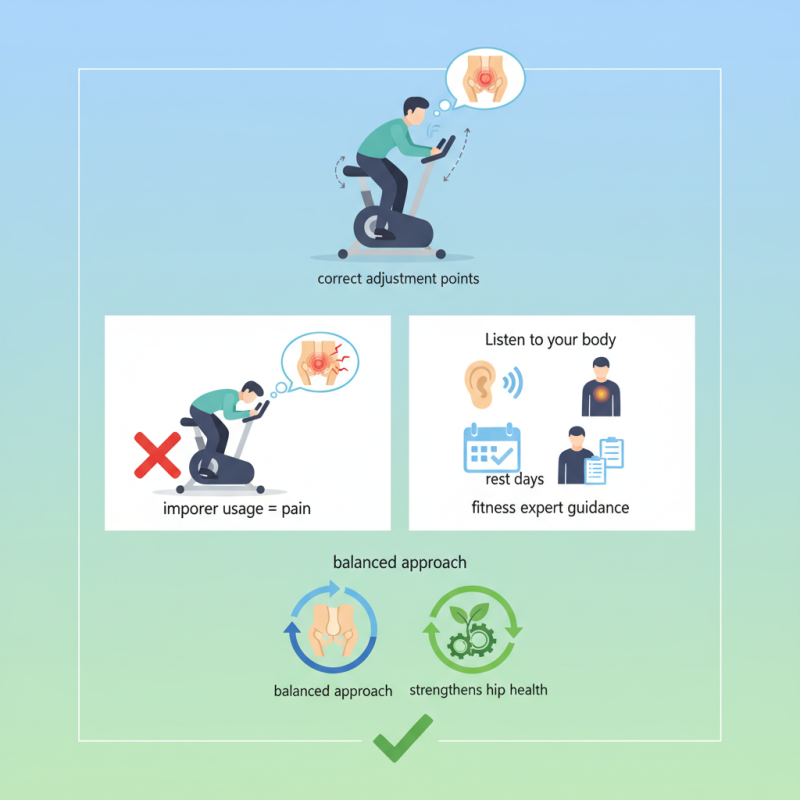
Using an exercise bike offers low-impact benefits. It is easier on the joints compared to running. However, improper usage can lead to hip injuries. Many people may not realize they need to adjust their bike settings. Correct seat height and distance from the handlebars are vital. Without these adjustments, discomfort and injuries can occur.

Listening to your body is essential. If pain arises, it’s important to evaluate your cycling technique. You may need rest days or modified routines. Consulting with a fitness expert can provide personalized guidance. Embracing a balanced approach helps avoid the pitfalls of overuse and strengthens hip health.
Can I Use an Exercise Bike Daily Without Hip Injury?

Understanding the Mechanics of an Exercise Bike and Hip Health

Understanding the mechanics of an exercise bike is essential for protecting hip health. The angle at which a rider sits greatly influences hip joint strain. A well-adjusted bike allows for an ergonomic position. However, improper seat height or duration of use can lead to discomfort or injury. Research indicates that 47% of regular users experience hip pain due to incorrect bike settings.

Riders need to pay attention to pedal stroke mechanics. A circular motion is ideal, minimizing stress on the hips. According to a study in the Journal of Sports Medicine, consistent circular pedaling reduces joint impact by 30%. Yet, many cyclists engage in push-pull motion, which can exacerbate existing conditions. Thus, monitoring one’s riding form is crucial.

Daily use of an exercise bike can be beneficial, but it is not without its risks. Overuse may lead to repetitive strain injuries. An American Academy of Orthopaedic Surgeons report highlights that cyclists should rest if pain persists. A thoughtful approach to riding will encourage long-term hip health. Keep adjusting and listening to your body.

Benefits of Regular Use of an Exercise Bike for Joint Mobility

Using an exercise bike regularly can greatly benefit joint mobility, especially for the hips. Cycling is a low-impact activity. It puts less strain on your joints compared to running or other high-impact exercises. This makes it suitable for people of all ages and fitness levels.

When you pedal, your hip joints experience gentle movement. This can help increase flexibility and reduce stiffness. Some people may find discomfort at first. It’s important to listen to your body and adjust resistance or duration. Starting slowly and gradually increasing effort can help you build strength without injury.

Many individuals report feeling more mobile after consistent cycling. Improved blood flow aids in joint health, too. However, overdoing it may lead to soreness. It's essential to allow your body recovery time. Balancing activity with rest can prevent any setbacks, ensuring a positive cycling experience.

Common Hip Injuries Associated with Exercise Bike Use

Using an exercise bike daily can be beneficial, but it also carries the risk of hip injuries. Common injuries include hip flexor strains and iliotibial band syndrome. These injuries often result from improper bike setup or overuse. Understanding the potential risks helps mitigate them.

To avoid hip injuries, adjust the bike settings correctly. The seat height should allow for a slight bend in your knee at the bottom of the pedal stroke. Position the handlebars to ensure your back is straight. Monitor your form as you ride; keep your hips steady.

Pacing yourself is crucial. Gradually increase the duration and intensity of your workouts. Consider cross-training activities to strengthen hip muscles. Rest days are essential for recovery. Listening to your body is vital. Persistent pain should not be ignored. Reflect on your technique regularly to prevent complications.

Daily Exercise Bike Usage and Common Hip Injuries

Tips for Safe Daily Exercise Bike Routines to Prevent Injury

Using an exercise bike daily can be effective for fitness. However, it’s crucial to use safe techniques to avoid hip injuries. Ensuring proper posture is essential. Maintain a straight back and keep your shoulders relaxed. Your knees should align with your feet. Adjust the seat height so your legs extend comfortably. This prevents strain on your hips and joints.

Incorporate variety into your routine. Mix up your resistance levels and cycling speeds. Too much of the same movement can lead to overuse injuries. Consider interval training. Short bursts of high-intensity cycling followed by a slower pace can enhance endurance. Always listen to your body. If you experience pain, it’s important to stop.

Warm-up and cool-down routines are vital as well. Spend a few minutes pedaling at a gentle pace before any intense workout. Stretching after your session helps maintain flexibility. Focus on the hip muscles and don’t skip this important step. Consistent, mindful practices promote longevity in your cycling journey. Explore different routes or even consider joining a cycling group to keep things engaging. It can transform your daily workout.

When to Seek Professional Advice About Hip Pain from Cycling

Cycling can be a great exercise routine. However, hip pain can cause concern for many riders. It’s important to know when you should seek professional advice. If you feel persistent discomfort, don’t ignore it. Listening to your body is crucial.

Regular cycling can lead to muscle imbalances. Overuse can strain the hip joint. If you experience pain beyond regular soreness, consulting a healthcare professional is wise. A physiotherapist can offer tailored advice and exercises to alleviate issues.

**Tips:** Adjust your bike settings for comfort. Ensure the seat height is appropriate. This simple change can help prevent injury. Also, vary your cycling intensity to avoid overworking your hips. Incorporate rest days into your routine. Your body deserves recovery. Pay attention to warning signs and prioritize your well-being.

FAQS

: What are the benefits of using an exercise bike for joint mobility?

: Regular cycling improves joint mobility, particularly in the hips. It provides gentle movement, enhancing flexibility and reducing stiffness.

Is cycling a safe exercise for all ages?

Yes, cycling is a low-impact activity suitable for various age groups and fitness levels. It puts less strain on joints.

How can I prevent discomfort while cycling?

Listen to your body. Adjust resistance or duration, starting slowly to build strength and avoid injuries.

What should I do if I feel soreness after cycling?

Allow your body to recover. Balance cycling with rest days to prevent soreness and ensure a positive experience.

What common injuries should I be aware of when using an exercise bike?

Common injuries include hip flexor strains and iliotibial band syndrome, often caused by improper bike setup or overuse.

How can I ensure my exercise bike is set up correctly?

Adjust the seat height for a slight knee bend at the pedal’s lowest point. Position the handlebars for a straight back.

What is the importance of pacing during cycling workouts?

Pacing is crucial to avoid overuse injuries. Gradually increase workout duration and intensity for safe progress.

Why is variety important in my cycling routine?

Variety prevents overuse injuries. Mixing resistance levels and speeds keeps workouts engaging and enhances endurance.

What warm-up and cool-down routines should I follow?

Spend a few minutes pedaling gently before workouts. Stretching after cycling helps maintain flexibility, especially in hip muscles.

How can I make my cycling routine more enjoyable?

Explore different routes or join a cycling group. Engaging with others adds fun and can transform daily workouts.

Conclusion

In exploring the question, "Can I use an exercise bike every day without injuring my hips?", it is essential to understand the mechanics of exercise bikes and their impact on hip health. Regular use of an exercise bike can enhance joint mobility, making it a beneficial workout for many. However, cyclists must be wary of common hip injuries such as tendonitis or bursitis, which can arise from improper form or overuse.

To safely incorporate daily cycling into your routine, it is vital to maintain proper posture, adjust the bike to fit your body, and gradually increase workout intensity. Listening to your body and taking rest days when necessary can also help prevent injury. If you experience persistent hip pain despite taking these precautions, seeking professional advice is recommended to ensure your cycling practice remains healthy and enjoyable.

Mason

Mason

Mason is a seasoned marketing professional with a deep expertise in the company's offerings and a passion for driving brand awareness. With a strong background in digital marketing strategies, he has an innate ability to connect with diverse audiences and effectively communicate product benefits.......