When choosing between magnetic and water resistance rowers, many fitness enthusiasts find themselves pondering, "What is the difference between magnetic and water resistance rowers?" Industry expert Dr. Sarah Thompson, a renowned fitness trainer, once stated, "Understanding the mechanics of each type of rower can significantly impact your workout experience."
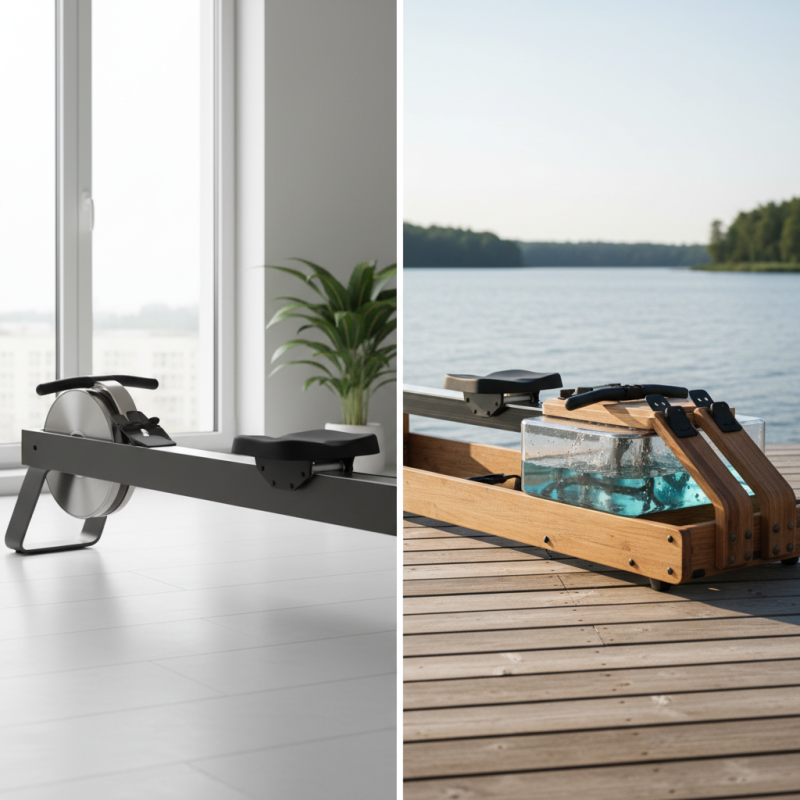
Magnetic rowers utilize magnets to create resistance. These machines typically offer smooth and quiet rowing experiences. Meanwhile, water resistance rowers rely on paddles in a water-filled tank. They provide a more natural and immersive rowing feel. Many prefer the sound of water, as it echoes a real rowing experience.
While both types have their merits, the choice often boils down to personal preference. Magnetic rowers are convenient for apartment dwellers seeking a quiet workout. Water rowers may appeal to those wanting a more authentic feel. Each option has trade-offs. It's vital to consider your goals and environment before making a decision.
Magnetic Rowers: Advantages and Disadvantages
Magnetic rowers have gained popularity among fitness enthusiasts. They provide a unique rowing experience, offering smooth and quiet operation. Users appreciate the adjustable resistance levels, allowing for customized workouts. This feature caters to beginners and advanced users alike. However, there are drawbacks to consider.
While magnetic rowers are less noisy, they may not replicate the natural feel of water rowing machines. Some users find this disconnection unsatisfying. Additionally, magnetic rowers can be more expensive than their water counterparts. The technology involved can lead to higher maintenance costs as well. It’s essential to weigh these factors when considering your options.
Durability is usually not an issue with magnetic rowers, but their components can vary in quality. Researching different models may reveal inconsistencies in resistance performance. Some users have reported a loss of tension over time. This lack of reliability can be frustrating for dedicated athletes. Exploring different brands may be necessary to find a dependable machine.
Water Resistance Rowers: Benefits and Limitations
Water resistance rowers are gaining popularity due to their unique benefits. These machines utilize a water tank to create resistance, mimicking the feel of rowing on water. This provides a more natural experience, which many users find enjoyable. Studies indicate that water resistance rowing can engage 86% of your muscles, offering an effective full-body workout.
However, there are limitations to consider. Maintenance can be more demanding than magnetic rowers. Water levels must be monitored, and the tank can develop algae if not cleaned regularly. These factors might deter some users who prefer low-maintenance options.
Tips: Clean your water tank monthly to prevent algae buildup. Regularly check the water levels to ensure optimal resistance. Additionally, if you're new to rowing, start slowly to build your technique and avoid injury. Rowing can be a significant workout, and sometimes, it’s easy to overdo it. Remember, gradual progress is key.
Comparative Analysis: Magnetic vs Water Resistance
When it comes to choosing between magnetic and water resistance rowers, it's essential to understand their distinct features. Magnetic rowers utilize a flywheel mechanism to create consistent resistance. According to industry studies, they are known for their silent operation and compact design, making them suitable for home use. On the other hand, water resistance rowers simulate the real experience of rowing on water. They provide a dynamic resistance that changes with your rowing speed. Reports indicate that this variability enhances engagement, offering a more realistic workout.
In terms of workout intensity, magnetic rowers may deliver a steadier resistance, which can benefit users aiming for controlled training regimens. In contrast, water rowers are often preferred for interval training due to their responsive resistance. This has been highlighted in fitness surveys, where participants noted higher satisfaction rates in workouts incorporating water resistance.
Tips: When considering which rower to purchase, test both types if possible. Think about your workout goals. A magnetic rower suits those seeking a quieter experience. A water rower may be better for a more visceral workout. Ensure to assess your available space, as water rowers often require more room for proper use and maintenance.
Magnetic vs Water Resistance Rowers Which is Better for You?
| Feature |
Magnetic Rowers |
Water Resistance Rowers |
| Resistance Adjustment |
Electronic or manual settings for varied resistance. |
Natural resistance based on water levels. |
| Noise Level |
Low noise operation. |
Sounds of water create a soothing environment. |
| Realism of Rowing |
Less realistic rowing feel. |
Provides a more authentic rowing experience. |
| Maintenance |
Minimal maintenance required. |
Requires water maintenance and occasional refills. |
| Price Range |
Generally lower cost. |
Typically higher due to construction. |
| Portability |
Lightweight and easy to move. |
Heavier due to water tank. |
Choosing the Right Rower for Your Fitness Goals
When selecting a rowing machine, consider your specific fitness objectives. Magnetic and water resistance rowers cater to different needs. Magnetic rowers provide a smoother, quieter experience, ideal for home workouts. They allow for adjustable resistance levels, which can help you tailor your training intensity. This adaptability can be beneficial for both beginners and seasoned athletes.
On the other hand, water resistance rowers mimic the dynamics of rowing on water. They offer a pleasant and realistic feel, engaging multiple muscle groups effectively. The natural drag creates a unique challenge, but it might not be suitable for everyone. For those seeking a full-body workout, this option is compelling. However, some users may find the maintenance of water rowers challenging, as they require regular water changes and occasional cleaning.
Choosing the right rower often involves prioritizing your preferences and budget. While both types can enhance fitness, consider aspects like noise levels and maintenance needs. Take your time to reflect on what features matter most. Additionally, think about how often you'll use the machine and the space you have available. Each person’s journey is different; understanding your unique requirements will bring you closer to achieving your fitness goals.
Maintenance and Durability: Which Rower Lasts Longer?
When choosing between magnetic and water resistance rowers, maintenance and durability are critical factors.
Magnetic rowers typically require less upkeep. Their design features enclosed flywheels with minimal exposure to dust and moisture.
This means fewer issues with wear and tear. Studies show that magnetic rowers have a longer lifespan, sometimes exceeding ten years with regular use.
They are an appealing choice for those who prioritize consistency in their workout equipment.
Water resistance rowers, while offering a more immersive rowing experience, have unique challenges. They rely on water-filled tanks, which can degrade over time.
Users must regularly check for leaks or algae growth. According to fitness industry reports, water resistance machines need more frequent maintenance, averaging a lifespan of seven years.
This is significant when considering long-term investment in fitness equipment.
In summary, both options offer distinct advantages and drawbacks. Users should weigh their priorities carefully.
For those who desire low-maintenance, magnetic rowers may be the best fit. However, enthusiasts looking for a realistic rowing sensation might opt for water rowers,
despite their need for diligent care. It’s essential to reflect on your personal needs and maintenance capabilities before making a decision.
FAQS
: Magnetic rowers use a flywheel for steady resistance. Water rowers simulate real rowing with varying resistance based on speed.
Magnetic rowers operate quietly, making them ideal for home use where noise might be a concern.
Magnetic rowers provide consistent resistance, while water rowers offer dynamic resistance for more engaging interval training.
Magnetic rowers require less maintenance due to sealed flywheels, which reduces dust and moisture exposure.
Magnetic rowers can last over ten years, whereas water rowers average around seven years due to water tank wear.
Yes, they may require checking for leaks and algae growth, leading to more maintenance than magnetic rowers.
Assess your workout goals, space, and maintenance preferences. Each type has unique features that cater to different needs.
Not as much as with water rowers. Water rowers mimic the sensation of rowing on actual water.
Yes, many users report higher satisfaction with workouts that include water resistance due to its natural feel.
Reflect on your needs for noise level, maintenance, and desired workout experience before making a choice.
Conclusion
In the debate between magnetic and water resistance rowers, it's essential to understand their respective advantages and disadvantages. Magnetic rowers are known for their quiet operation and adjustable resistance, making them suitable for home use where noise might be a concern. However, they may lack the realistic rowing experience that some users seek. On the other hand, water resistance rowers provide a more authentic feel, simulating real rowing through the use of water, but they can be bulkier and may require more maintenance.
So, what is the difference between magnetic and water resistance rowers? The choice ultimately hinges on individual fitness goals and preferences. Those seeking convenience and quiet workouts may prefer magnetic rowers, while enthusiasts of genuine rowing experiences may opt for water resistance models. Additionally, considerations around maintenance and longevity can influence decisions, as the durability of each type varies. As such, understanding these factors is crucial for selecting the rower that best aligns with personal fitness ambitions.

 Naturist Fitness