What Is a Manual Treadmill and Is It Harder Than Electric?

Time:2026-10-19 Author:Sophia
0%

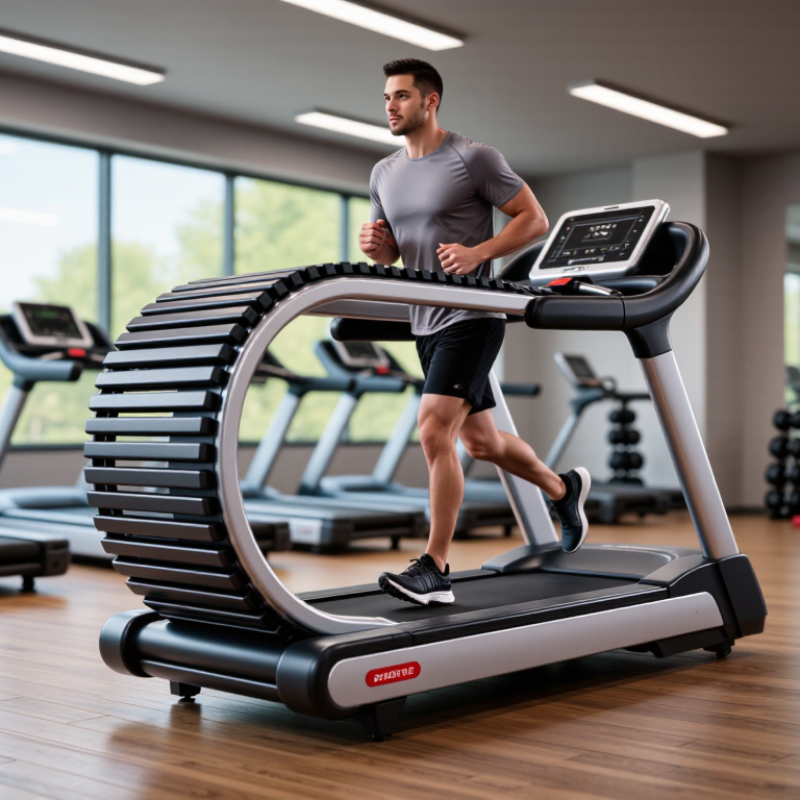
A manual treadmill moves only when your feet drive the belt. There is no motor setting the pace for you. Most models use a curved, non-motorized deck, although some flat-belt designs also exist. This difference changes the entire walking experience. Each step pushes the slats backward, while your posture and stride control your speed.

Is a manual treadmill harder to use than an electric one? Usually, yes, especially during the first few sessions. The belt can feel heavy under your feet. Starting requires a deliberate push, and maintaining speed demands continuous effort. A short walk may leave your calves and hamstrings working harder than expected. It feels surprisingly physical.

Still, “harder” depends on the user and the workout. A trained runner may appreciate the immediate response and strong resistance. Someone recovering from an injury may prefer an electric treadmill’s steady, adjustable pace. Fitness professionals often recommend beginning slowly, holding good posture, and avoiding excessive hand support. Manufacturer specifications also matter, because belt weight, deck angle, and construction vary widely.

Small details matter. Your shoes should grip the belt without catching. Keep your shoulders relaxed. Let your arms move naturally. Do not assume every manual treadmill delivers the same challenge. That assumption is easy, but incomplete. Research and real-world testing generally suggest higher effort, yet personal comfort and technique can change the result. This guide examines how manual treadmills work, where they excel, and whether their extra effort matches your goals.
What Is a Manual Treadmill and Is It Harder Than Electric?

What Is a Manual Treadmill?

A manual treadmill has no drive motor. Your foot strike moves the belt beneath you. Most models use curved slats that respond directly to your movement. Others use a flat belt with adjustable magnetic resistance. The user controls the pace, so every step influences acceleration. This design can feel more responsive than an electric treadmill. At slower speeds, the belt may stop unless your stride remains active. A small forward lean can help, but excessive leaning may strain your shoulders. Keep your hands free.

Is it harder? Often, yes, but not in every way. Starting the belt requires deliberate force from your legs. Acceleration also comes from your muscles, not a motor. The effort may feel sharp during sprints or uphill settings. However, resistance varies between machines. A heavy belt can feel demanding, while a well-balanced belt may move smoothly. This point matters.

A manual treadmill can support walking, interval training, and short running sessions. Use short intervals when learning its rhythm. Check your posture regularly. I would not call every manual treadmill harder. Some users find the natural control easier on their joints. Others dislike the constant effort needed to maintain speed. The honest answer depends on belt resistance, incline, fitness, and running technique. A brief trial often reveals more than specifications.

How Does a Manual Treadmill Work?

A manual treadmill moves because you move it. On a curved model, your foot presses a slatted belt downward and backward. The belt then travels beneath you without a motor. Your body supplies the power. A flat-belt manual treadmill may use a flywheel or magnetic resistance to control movement. In both designs, speed responds immediately to your effort. Stop pushing, and the belt slows.

This direct response can feel demanding, especially during the first few minutes. Each step requires active hip extension and steady posture. Curved surfaces often increase effort because you drive the belt yourself. However, “harder” is not universal. A trained runner may enjoy the control, while a beginner may tire quickly. In practical testing, short walking intervals reveal technique better than an exhausting first run. Keep your eyes forward, use a light grip, and listen for uneven foot strikes. The machine is simple. The movement is not always simple.

Tips: Begin with five minutes of easy walking. Keep your steps short and quiet. Increase speed gradually. If your calves tighten, slow down and check your posture. A heart-rate monitor can help compare effort, but comfort and control matter too. I would not judge the treadmill after one session; unfamiliar movement can make it feel harder than it really is.

Manual vs. Electric Treadmill: How They Work

Manual treadmills have no motor: the user starts and maintains belt movement by pushing against the deck. Electric treadmills use a motor to move the belt at a selected speed. Manual models generally require more active effort to keep the belt moving, while electric models provide continuous powered motion and easier speed control.

What Are the Main Types of Manual Treadmills?

Manual treadmills do not all work the same way. Their main types include flat-belt, curved-belt, and slat-belt models. Each design changes how your body creates movement.

Flat-belt treadmills usually have a simple belt and basic resistance system. You move the belt by pushing against the deck. They often feel slower and less smooth than electric treadmills.

Curved-belt treadmills use a bowed running surface. Your foot lands near the front, then drives the belt backward. This design encourages shorter steps and stronger effort. It can raise your heart rate quickly. It can also challenge your calves more than expected.

Slat-belt treadmills use separate running slats instead of one continuous belt. The slats may reduce impact and feel stable under faster strides. Some models combine manual movement with adjustable magnetic resistance.

That hybrid design offers more control during walking, intervals, or sled-style training. However, resistance settings are not always comparable between machines.

A setting marked “high” may feel moderate elsewhere.

Are manual treadmills harder than electric models? Often, yes, especially during acceleration or hill-style workouts. Electric treadmills carry the belt at a fixed speed, while manual models require constant effort.

Still, the difficulty depends on belt weight, curvature, resistance, and your running technique. A short trial can reveal an awkward fit.

I would check posture, belt response, and calf fatigue before judging the machine. The hardest option is not automatically the most useful one.

Is Running on a Manual Treadmill Harder?

What Is a Manual Treadmill and Is It Harder Than Electric?

A manual treadmill moves only when your feet push the belt. Curved models demand stronger forward force from your legs. Electric treadmills provide continuous belt movement, so your pace feels more predictable. Is running on a manual treadmill harder? Often, yes, but the difference depends on the belt design, incline, speed, and your running technique.

Research supports this practical impression. A study in the Journal of Science and Medicine in Sport reported roughly 20–30% higher oxygen use and heart rate during curved, non-motorized treadmill running. Participants also reported greater effort. These findings suggest higher metabolic demand, not simply a faster workout. However, that result should not be treated as a universal rule. A flat manual belt may feel less demanding than a steep curved model. The evidence is useful, but not perfect.

Tips: Begin with five minutes of easy walking. Keep your chest tall and land beneath your hips. Avoid pulling the front rail, because it changes your posture and reduces the workload. Use the talk test recommended by the American College of Sports Medicine: speaking in short sentences should remain possible during moderate work. Record perceived effort, heart rate, and distance separately. Manual treadmills can display distance differently, so the numbers deserve cautious interpretation.

What Is a Manual Treadmill and Is It Harder Than Electric?

Comparison Dimension Manual Treadmill Electric Treadmill What It Means for Running
How the Belt Moves The user moves the belt by pushing against it. It does not require a motor. A motor continuously drives the belt at the selected speed. A manual belt usually requires more active effort to maintain motion, especially during acceleration.
Typical Running Effort Often higher at the same displayed speed, because the runner supplies the force needed to move the belt. Usually lower for steady-paced running because the motor supplies belt movement. Running on a manual treadmill can feel harder, but the difference depends strongly on belt design, incline, speed, and fitness level.
Incline Design Many curved models use a fixed or self-selected incline; some flat models have little or no incline. Incline is commonly adjustable, often from level running to a substantial uphill grade. A higher incline increases the demand on the legs and cardiovascular system on either type of treadmill.
Speed Control The runner controls speed directly through stride force and cadence. The user selects a target speed, and the motor maintains it until the setting is changed. Manual treadmills require continuous pacing and may make speed changes feel more immediate.
Acceleration and Deceleration Speed changes can happen naturally as the runner changes effort, but the belt may slow quickly when force is reduced. Acceleration and deceleration are controlled by the motor and may have a short delay. Manual treadmills can be useful for interval training, although beginners may need time to adapt.
Muscle Recruitment Often places greater emphasis on propulsion, including the calves, hamstrings, glutes, and hip muscles. Provides a more consistent belt speed and may feel less demanding for propulsion at the same pace. The exact muscle response varies with posture, stride, incline, belt resistance, and running technique.
Impact and Joint Comfort Impact depends on belt construction, incline, footwear, and running form. A curved belt may encourage a slightly different stride. Cushioning and belt design vary widely; a motorized belt does not automatically mean lower impact. Neither type is universally better for joints. Gradual progression and comfortable form are more important factors.
Energy Use May require more energy for the same perceived pace, particularly on a curved, non-motorized design. Energy use is influenced mainly by speed, incline, body mass, running economy, and workout duration. Calorie expenditure cannot be predicted accurately from treadmill type alone.
Noise and Power Does not need household electricity and is generally quieter mechanically, although foot impact remains audible. Requires electrical power and produces motor, roller, and footfall noise. A manual treadmill can be practical in spaces where power use or motor noise is a concern.
Maintenance Needs Fewer motor-related components, but the belt, bearings, frame, and alignment still require inspection. Requires belt maintenance plus care for the motor, electronics, rollers, and incline components when present. Both types need regular cleaning, proper belt tension, and use within the manufacturer’s weight limits.
Best Suited For Short intervals, technique-focused sessions, strength-oriented conditioning, and runners who prefer self-paced effort. Steady runs, walking, longer sessions, controlled speed work, and users who want consistent pacing. The better option depends on the workout goal rather than on difficulty alone.
Adaptation Period Many users need several sessions to become comfortable with belt resistance, pacing, and the required pushing action. Most users can begin walking or jogging with familiar speed controls, although safe progression is still important. Start at an easy effort, hold good posture, and increase duration or intensity gradually.
Overall Difficulty Often harder for active running, especially on curved models or during sustained efforts. Usually easier to maintain a constant pace, but a high speed or incline can make it very demanding. Manual does not always mean harder: an electric treadmill set to a steep incline or fast speed may create a greater workout load.

Key takeaway: Running on a manual treadmill is often harder than running at the same displayed speed on an electric treadmill because the runner must move the belt. However, difficulty varies by belt resistance, curvature, incline, speed, running form, and individual fitness.

How Does It Compare with an Electric Treadmill?

A manual treadmill has no motor. Your feet move the belt. Electric models use a motor to maintain your selected pace. That difference changes the workout immediately.

Curved, non-motorized treadmills usually demand more effort. A peer-reviewed laboratory study published in the Journal of Science and Medicine in Sport reported higher oxygen use and heart rates during curved manual running. The exact increase varies with speed, belt design, and running technique. It is not always harder.

Electric treadmills offer steadier pacing. This helps beginners, rehabilitation users, and runners following timed intervals. You can set 8 kilometers per hour, and the belt keeps moving at that rate. Manual treadmills require constant braking and acceleration, especially during short sprints. That feels more demanding.

ACSM guidelines classify moderate exercise as 64–76% of maximum heart rate. Vigorous exercise begins around 77%. A manual session can reach those zones quickly, even at a modest displayed speed. However, the display may not measure effort perfectly.

Manual belts also create a different mechanical feel. The front of your foot may work harder, while your pace becomes less consistent. I have found that this encourages shorter bursts, not always better endurance. Electric treadmills are often more predictable, but predictability can make poor posture easier to ignore. Check breathing, heart rate, and joint comfort rather than trusting the speed number alone.

FAQS

What is a manual treadmill?

It has no drive motor. Your feet move the belt beneath you. Each step influences speed and acceleration.

Is running on a manual treadmill harder?

Often, yes. Your legs create both movement and acceleration. However, resistance differs between machines, so the answer is not universal.

Why can curved models feel more demanding?

Curved slats require stronger forward force. Short sprints or uphill settings may quickly increase effort. This can feel sharp.

Are all manual treadmills difficult to use?

No. A well-balanced belt may move smoothly. A heavy belt can feel demanding, especially during longer sessions.

What should beginners do first?

Begin with five minutes of easy walking. Learn the belt’s rhythm before adding speed or intervals. Short practice works better.

How should I position my body?

Keep your chest tall and land beneath your hips. A slight forward lean may help. Excessive leaning can strain your shoulders.

Should I hold the front rail while running?

Avoid pulling the rail. It changes your posture and reduces the workload. Keep your hands free when possible.

How can I judge moderate effort?

Use the talk test. Speaking in short sentences should remain possible. If speech becomes difficult, reduce the effort.

Are the displayed distance and effort completely reliable?

Not always. Manual treadmills may calculate distance differently. Record heart rate, perceived effort, and distance separately.

Does research prove manual treadmills are always harder?

No. One study found higher oxygen use, heart rate, and effort on curved models. The evidence is useful, but not perfect.

Conclusion

A manual treadmill is a treadmill powered by the user rather than an electric motor. As you walk or run, your feet move the belt, so the machine responds directly to your pace. Most manual treadmills use a flat belt for basic walking, while curved-belt models are designed for more natural movement and faster training. They are usually simpler in construction, require less power, and can be useful for home workouts, walking practice, or short running sessions.

Is a manual treadmill harder to use than an electric one? In most cases, yes, especially when starting or running at a higher speed. Users must create and maintain the belt’s movement, which can demand more effort from the legs and encourage active engagement of the hips and core. An electric treadmill moves the belt at a selected speed, making it easier to maintain a steady pace and adjust intensity precisely. However, difficulty depends on the treadmill design, the user’s fitness level, and the workout goal. Manual models may feel more challenging, while electric models often provide greater convenience and pacing control.

Sophia

Sophia

Sophia is a dedicated marketing professional with an exceptional depth of knowledge about her company's products and services. With a keen understanding of market trends and customer needs, she crafts insightful blog posts that not only inform but also engage readers, enriching the company’s online......