When it comes to setting up a home gym, one major concern is how to prevent floor damage from heavy gym equipment. Dr. Amelia Carter, a fitness equipment specialist, emphasizes that "understanding your flooring is crucial to maintaining it." Heavy weights and machines can leave unsightly marks and dents, damaging your investment in both flooring and equipment.
Selecting the right flooring material is essential. Rubber mats are popular for their durability and shock absorption. They can help distribute the weight of heavy equipment while protecting the underlying floor. It's important to regularly inspect the flooring for wear and tear. Signs of damage can signal that your current setup isn't optimal.
In addition to proper materials, using equipment pads can greatly reduce direct pressure points. These pads create an additional buffer between the gym equipment and the floor. Regularly moving your equipment and changing its location can also minimize long-term damage. Taking proactive steps is key to understanding how to prevent floor damage from heavy gym equipment.
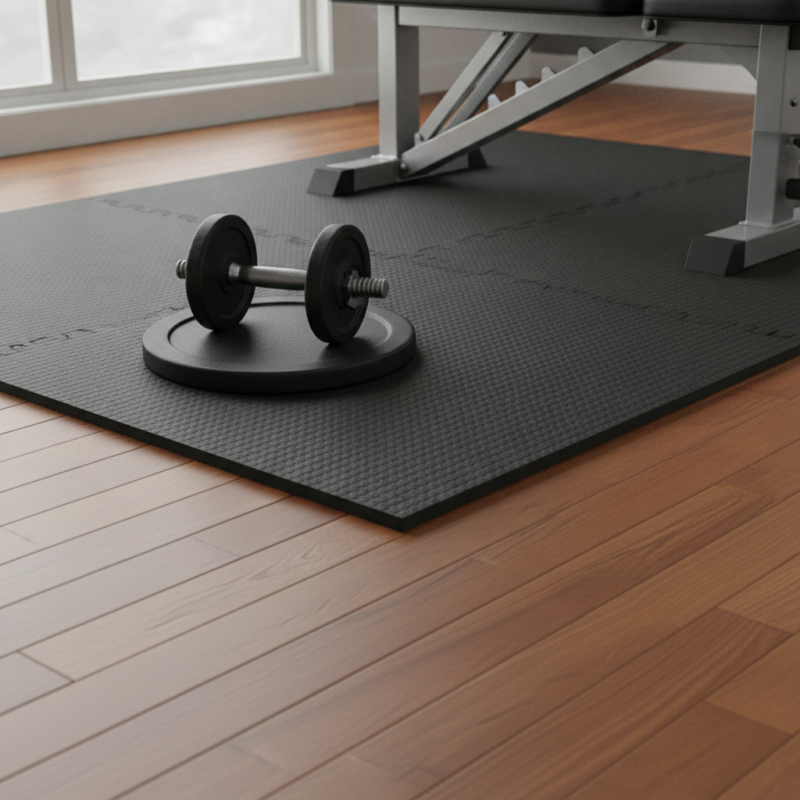
Heavy gym equipment can exert significant stress on floors, especially in residential and commercial settings. A report by the National Institute of Standards and Technology shows that weight training equipment can cause localized pressure up to 300 psi (pounds per square inch). This pressure can lead to cracks, dents, or even structural damage over time. Understanding how your flooring material reacts to this stress is crucial for prevention.
To mitigate floor damage, consider these tips: Use rubber mats or flooring specifically designed to absorb shock. These materials can distribute weight more evenly, reducing concentrated stress points. Also, investing in equipment with rubber feet may lessen impact when setting it down. Regularly inspect your flooring for signs of wear and tear, as early detection can save costly repairs later on.
Remember, not all flooring is created equal. Concrete, for example, is more resilient but may still crack under excessive weight if unprotected. In contrast, hardwood floors can suffer significantly from heavy equipment. Analyze your space and the specific types of exercise equipment you own to determine the best protective measures.
| Equipment Type | Weight (lbs) | Floor Type | Recommended Protection | Potential Damage Risk Level |
|---|---|---|---|---|
| Treadmill | 300 | Wooden | Rubber Mat | Moderate |
| Weight Bench | 200 | Tile | Foam Padding | High |
| Dumbbell Set | 150 | Carpet | Rubber Tiles | Low |
| Leg Press Machine | 450 | Concrete | Heavy-Duty Mats | Very High |
| Stationary Bike | 110 | Laminate | Exercise Mat | Moderate |
: The right flooring is crucial to prevent damage from heavy gym equipment and costly repairs.
Rubber flooring is popular for its shock absorption and durability. It reduces noise and handles heavy weights well.
Vinyl flooring is visually appealing and easy to maintain but may not endure heavy impacts like rubber flooring.
Mats and pads absorb shock and reduce wear, enhancing safety and prolonging the life of the flooring.
Proper placement of mats is essential; mispositioned mats can still lead to floor damage despite their protective qualities.
Regular cleaning is essential to prevent dirt accumulation, which can reduce a mat's effectiveness over time.
Distributing weight evenly under equipment helps avoid cracks and dents, keeping the floor in better condition.
Space out heavy machines to improve weight distribution and enhance the visual appeal of your gym area.
Routine checks on the flooring can catch potential issues early, ensuring long-term gym safety and durability.
Furniture sliders under equipment allow for easy repositioning, which can help change the gym layout without heavy lifting.
When considering "How to prevent floor damage from heavy gym equipment?", it is essential to understand the impact of heavy weights on flooring systems. This can lead to significant stress and potential damage if not properly managed. Selecting the right flooring material is crucial to mitigating these effects; options like rubber or foam can help absorb impacts and protect the underlying surfaces.
Additionally, utilizing protective solutions such as mats and pads can absorb vibrations and distribute weight more evenly. Implementing weight distribution techniques is also important, as keeping heavy equipment properly positioned can minimize localized stress. Finally, regular maintenance and inspection of gym floors ensure any signs of wear and tear are addressed promptly, thus preserving the integrity of both the flooring and the equipment. By following these guidelines, gym owners can effectively reduce the risk of floor damage and maintain a safe workout environment.

 Naturist Fitness