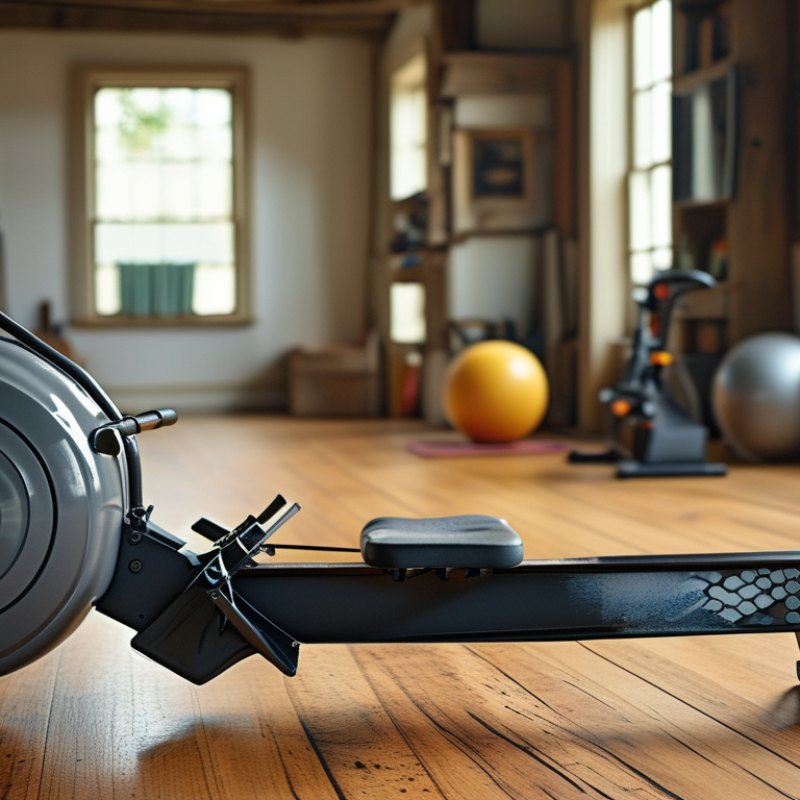
Rowing Machine vs Exercise Bike Which is Better for Bad Knees

Time:2026-04-29 Author:Oliver
0%

When it comes to exercise equipment, those with knee issues often seek the best option. The debate focuses on two popular machines: the rowing machine and the exercise bike. Both can provide excellent cardiovascular workouts. However, the question remains: which is better for bad knees: rowing machine or exercise bike?

Rowing machines engage multiple muscle groups. They are low impact but may still put pressure on the knees. Conversely, exercise bikes offer a seated position, making them a comfortable choice for many. They reduce strain on the knee joints significantly.

Choosing the right equipment depends on individual needs. Personal experiences vary widely in relation to exercise preferences and physical limitations. Users must reflect on their comfort levels with each machine. Consult a healthcare professional for tailored advice. This will help in making an informed decision that enhances both fitness and joint health.

Rowing Machine vs Exercise Bike Which is Better for Bad Knees

Benefits of Rowing Machines for Those with Bad Knees

For those with bad knees, rowing machines offer several benefits that make them a favorable option. Rowing engages both the upper and lower body without putting excessive pressure on the knees. The smooth motion allows for a full-body workout while minimizing impact. This is particularly important for individuals recovering from injuries. A rowing machine can strengthen muscles around the knees, providing better support and stability.

The adjustable resistance on rowing machines allows for tailored workouts. Users can set a lower resistance to start, making it easier to maintain proper form and avoid strain. It's common for people to feel compelled to push harder, but starting slow is essential. Prioritizing technique over speed will yield better results in the long run. Also, engaging the core during rowing ensures lower body mechanics are balanced and reduces the risk of aggravating knee pain.

People often overlook their breath while exercising. Focusing on breathing rhythm can enhance a rowing session, making it more efficient. It's vital to listen to your body during workouts. If pain arises, reassess your form or reduce intensity. Identifying and addressing discomfort early can prevent setbacks in your fitness journey. Rowing may not be traditional, but it presents a valuable avenue for those seeking a low-impact yet effective workout.

Rowing Machine vs Exercise Bike: Impact on Knee Health

This chart compares the impact of rowing machines and exercise bikes on knee health, emphasizing factors like joint strain, muscle engagement, calorie burn rate, and overall impact on knees. Lower values indicate a better effect on knee health.

Advantages of Exercise Bikes for Knee Pain Management

When managing knee pain, exercise bikes stand out as a great option. They provide a low-impact workout, reducing stress on the joints. Riders can adjust tension easily, allowing for customized workouts that fit their abilities. This adaptability is crucial for those recovering from injuries or dealing with chronic pain.

Using an exercise bike promotes better circulation in the legs. Improved blood flow aids in healing and reduces stiffness. Many find that pedaling feels gentle on the knees. Additionally, being seated minimizes the risk of falls compared to standing exercises.

Tips for optimizing your cycling routine:

  • Start with short sessions and gradually increase duration.
  • Listen to your body; if pain arises, it’s worth changing resistance levels or taking breaks.
  • Consider using a reclining bike for more support.
It’s about finding balance in your fitness journey.

Comparative Analysis: Rowing Machine vs Exercise Bike

When considering low-impact exercises for bad knees, both rowing machines and exercise bikes present unique benefits. Rowing machines offer a full-body workout, engaging multiple muscle groups while minimizing strain on the knees. According to the American Council on Exercise, rowing can burn around 600-800 calories per hour, making it an efficient option for those looking to lose weight. However, improper technique can lead to discomfort or injury.

On the other hand, exercise bikes provide a safe alternative focused on lower body strength. A study in the Journal of Orthopaedic & Sports Physical Therapy indicates that stationary cycling may enhance joint mobility without aggravating knee issues. The minimal weight-bearing nature of cycling allows users to maintain fitness levels with less stress on the joints. Yet, the seat position and pedal resistance must be adjusted properly, as misuse could exacerbate knee pain.

Both options have their merits and pitfalls. It's essential to experiment with each machine to find the best fit. Regular assessment of one's physical response can help refine the choice. Engaging a fitness professional for guidance may also ensure a more tailored approach.

Rowing Machine vs Exercise Bike: Which is Better for Bad Knees?

Aspect Rowing Machine Exercise Bike
Impact on Joints Low impact, engages upper body Low impact, primarily lower body
Muscle Engagement Full body workout, core engaged Focused on legs, less core engagement
Calories Burned (per 30 min) 250-300 200-250
Ease of Use Requires learning proper technique Simple to use, minimal setup
Injury Prevention Good for rehabilitation, promotes balanced muscle use Safe for knee problems, maintain lower body strength
Cost Range $200 - $1500 $150 - $1000

Considerations for Choosing Equipment Based on Knee Health

When considering equipment for knee health, both rowing machines and exercise bikes have their pros and cons. Rowing machines offer a full-body workout that engages multiple muscle groups. This may help improve overall strength without putting too much stress on the knees. However, improper technique can lead to strain. Focus on form to minimize risks.


Exercise bikes provide a controlled, low-impact environment for cardio workouts. They are often more comfortable for those with knee issues. Adjusting the seat height correctly can enhance comfort. However, prolonged use might still lead to discomfort if not addressed. It's essential to listen to your body and adjust workouts based on your comfort level.


Ultimately, individual preferences and limitations matter. Some people may prefer the dynamic nature of rowing, while others might lean towards the stability of cycling. It’s crucial to consider personal experience and any pre-existing conditions. Consulting with a physical therapist could further guide the choice, ensuring it meets your unique needs.

Best Practices for Using Rowing Machines and Exercise Bikes Safely

When it comes to low-impact exercise, both rowing machines and exercise bikes can be beneficial, especially for individuals with knee issues. However, safety is paramount. Proper form and adjustments can prevent strain and injury.

Using a rowing machine involves smooth, controlled movements. Ensure your knees do not extend past your toes during the drive phase. This helps protect your joints. Adjust the foot straps snugly. Loose straps can lead to instability, increasing the risk of injury.

For exercise bikes, choose a model with adjustable seat height. A seat that’s too low or high can strain your knees. Keep your knees aligned with your pedals. This alignment avoids unnecessary pressure on the knee joints. Aim for a moderate resistance level at the start. Gradually increase it to challenge your muscles without overexerting your knees.

Tips:
Always warm up before your workout. Simple stretches or light cardio can prepare your joints. Pay attention to any pain. If something feels wrong, stop and reassess your form. Listening to your body is crucial.

FAQS

: What are the benefits of rowing machines for people with bad knees?

: Rowing machines provide a full-body workout without excessive knee pressure. It helps strengthen muscles around the knees.

How can I adjust the rowing machine resistance?

Users can start at lower resistance for easier workouts. This approach helps maintain proper form and reduces strain.

Is it important to focus on breathing while rowing?

Yes, having a rhythmic breath enhances the rowing session. It can improve efficiency and overall workout quality.

What should I do if I feel pain while rowing?

Listen to your body and reassess your form. If pain continues, reduce intensity to prevent setbacks.

How does rowing compare to exercise bikes for knee health?

Rowing engages multiple muscle groups, while bikes offer a more controlled environment. Each has its own benefits and risks.

Can improper technique affect my knees while rowing?

Yes, poor technique can strain the knees. It's crucial to focus on form to minimize injury risk.

How should I choose between rowing and cycling?

Consider personal preferences and existing conditions. Consulting a physical therapist may help find the best option for your needs.

Why is starting slow important in rowing?

Initially working at a slower pace allows for better form and technique, leading to improved results over time.

What if I prefer cycling over rowing?

If cycling feels more comfortable, it's a valid option. Always adjust your seat height and listen to your body’s signals.

Are there any long-term concerns with using rowing machines?

While beneficial, misuse could lead to discomfort. Regular check-ins on form and fatigue levels can help avoid issues.

Conclusion

When considering "Which is better for bad knees: rowing machine or exercise bike?", both options offer unique benefits for managing knee pain. Rowing machines provide a full-body workout that is low-impact, engaging multiple muscle groups while promoting joint mobility without putting excessive strain on the knees. On the other hand, exercise bikes allow for controlled movements, enabling users to adjust the resistance and intensity, which is beneficial for those in need of tailored workout options for knee discomfort.

In a comparative analysis, it's essential to consider individual preferences and specific knee conditions. Factors such as the range of motion, comfort level, and safety practices should influence the choice of equipment. Regardless of the option selected, employing best practices and focusing on proper form can enhance the safety and effectiveness of workouts, ultimately leading to better outcomes for knee health management.

Oliver

Oliver

Oliver is a seasoned marketing professional with a wealth of expertise in driving brand awareness and engagement. With a deep understanding of our company's product offerings, he consistently delivers high-quality content that enriches our professional blog. His insights not only shed light on......