Creating a full K3 series strength circuit at home requires careful planning. "How much space do I need for a full K3 series strength circuit?" is a common question. The answer depends on your specific setup and the equipment you choose.
Typically, a space of about 10 by 10 feet is recommended. This area allows enough room for movement and stretching. If you have more equipment, consider enlarging the space. The goal is to ensure safety during workouts. Sufficient space prevents accidents, allowing you to focus on your strength training.
Reflecting on your routine, think about the layout. You might need additional space for weights and mats. Remember, a cluttered area can impact your performance. Ensuring your space is organized will create a better workout environment. A dedicated space fosters commitment to your fitness goals.
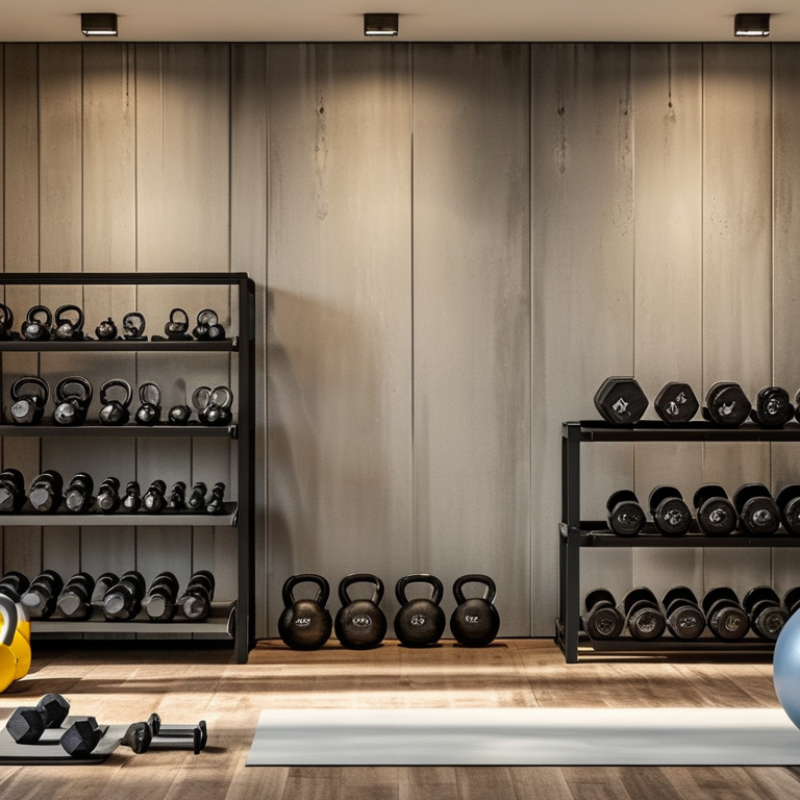
When determining space requirements for a full K3 series strength circuit, start by assessing the layout. Ideally, allocate around 200 to 300 square feet. This space accommodates machine placements and necessary movement. Each station should be spaced at least three to four feet apart. Users need room to perform exercises comfortably.
Consider additional factors, like ceiling height. A minimum of eight feet is recommended. This allows for full-range movements without restriction. Ensure that flooring is suitable for strength training. Rubber mats can enhance safety and reduce noise.
It's also essential to plan for storage and circulation. Weights and accessories should have dedicated spaces. Paths for walking between machines are crucial for safety. Reflect on how the space feels during use. Does it feel cramped or open? Gathering feedback from users can help refine the setup. Balancing equipment placement with accessibility can create an inviting environment.
When setting up a full K3 Series strength circuit, it's essential to consider the dimensions for effective equipment placement. A typical K3 circuit requires a space of at least 200 square feet. This allows enough room for equipment movement and ensures user safety during workouts. According to the National Strength and Conditioning Association (NSCA), recommended spacing between machines ranges from 3 to 5 feet, facilitating both functionality and comfort.
Placement of strength equipment should prioritize the user experience. Ideally, a line of strength machines should be arranged in a circular or semi-circular format. This layout encourages an efficient flow, allowing users to transition between exercises quickly. Research indicates that a well-organized circuit can boost workout engagement by up to 30%. However, cluttered spaces can cause distractions and increase the risk of injuries.
Furthermore, attention to vertical space is crucial. Some machines may require overhead clearance for safe use. A minimum of 8 feet of height is recommended to accommodate various exercises. Inadequate ceiling space can hinder equipment functionality, limiting exercise options and user performance. Always reassess the layout to optimize space utilization and promote a positive workout environment.
When setting up a K3 Series strength circuit, space plays a crucial role. Allocating enough room is essential for safety and efficiency. It's vital to ensure there is ample clearance around each station. Rushing through this process can lead to accidents. Equipment needs breathing space, and users should feel comfortable moving between stations.
Safety should always come first. Foot traffic needs consideration. Arrange equipment to allow smooth transitions. Avoid cluttered areas where users might trip. Strive for an environment that enables concentration and safety. Clear sight lines between stations improve supervision and support.
Here are some tips for effective space allocation:
A well-designed area promotes safety and encourages workouts. Avoid overcrowding and ensure everyone can train effectively. Reflect on your space often. Improvement is always possible.
When planning a full K3 Series strength circuit, the space required is crucial. It's not just about fitting equipment. Unrestricted movement is essential for effective workouts. A clear area allows for proper form and safer exercises. Ideally, you need at least 200-300 square feet. This space accommodates weights, resistance bands, and floor exercises.
Imagine stepping back after a squat or lunging forward without hindrance. With proper spacing, you can engage fully. However, many people underestimate this need. They cram too much into too little space. This leads to awkward movements and increased risk of injury.
Reflect on your own setup. Are you bumping into things while working out? Do you feel confined? Assessing your workout area is vital. If you feel restricted, it’s time to rethink your layout. Create that open space. This way, you can focus on your technique and push your limits. A well-planned environment can enhance your training experience significantly.
Designing an efficient layout for a K3 Series strength circuit requires careful consideration of space utilization. A well-thought-out arrangement can significantly enhance the effectiveness of workouts. Begin by assessing the available area and determining the required footprint for each machine. Machines should be spaced adequately to allow for safe movement while maximizing accessibility.
Incorporate storage solutions as well to reduce clutter. Use wall-mounted racks for weights and accessories. This keeps the workout area organized and encourages a smoother training flow. However, minimizing space sometimes leads to a cramped environment, which can discourage motivation. Evaluating the current setup is essential to ensure it serves the workout needs without sacrificing comfort.
Lighting and ventilation also play a critical role. A well-lit area improves the mood and energy levels. Good airflow makes workouts enjoyable. Sometimes, you may find that a previously efficient layout becomes ineffective as new machines are added or routines evolve. Regularly reviewing the workspace can lead to improvements. Aim for a layout that provides a dynamic environment, fostering both efficiency and motivation in each workout session.
: Adequate space ensures safety and efficiency during workouts. Users need room to move comfortably.
Arrange equipment to allow smooth transitions. Avoid cluttered areas where users might trip.
Measure accurately and know the dimensions. Understand the space each type of equipment requires.
An organized area with adequate lighting and airflow boosts mood. Clutter can hinder motivation.
Incorporate storage solutions like wall-mounted racks. Keeping accessories organized is essential.
Regular assessments are crucial. Feedback can inform necessary adjustments for improvement.
Squats and lifts typically require a wider area for safe execution. Don’t overlook this need.
A cramped environment can discourage users. Comfort should not be sacrificed for efficiency.
Good lighting enhances mood and energy levels. It can make workouts more enjoyable overall.
Continuous improvement is key. Regular reflection allows for adaptations that meet changing workout needs.
When setting up a full K3 series strength circuit, one of the primary questions is, "How much space do I need for a full K3 series strength circuit?" Understanding the space requirements is crucial for effective training. Essential dimensions should include enough room for equipment placement, ensuring that every station is accessible without restriction.
Safety considerations are integral to space allocation, particularly to prevent accidents during workouts. It is recommended to have sufficient floor space that allows for unrestricted movement, which promotes a more fluid and engaging workout experience. Lastly, optimizing the layout can enhance overall efficiency, enabling users to transition smoothly between different exercises within the circuit. By thoughtfully considering these factors, one can create an effective and safe training environment tailored for the K3 series strength circuit.

Naturist Fitness