How to Stop a Treadmill Belt From Slipping at High Speed?

Time:2026-09-14 Author:Charlotte
0%

A treadmill belt should move smoothly, even when your pace becomes demanding. Yet a sudden lurch can interrupt a sprint, damage confidence, and create a genuine safety concern. Many runners ask, “Why is my treadmill belt slipping during high-speed runs?” The answer is rarely simple. A loose belt, poor alignment, worn rollers, excessive friction, or an underpowered motor may all contribute. Sometimes, the problem begins with a small adjustment that was overlooked.

John Miller, a professional treadmill service technician with more than 15 years of repair experience, explains, “High-speed slipping usually reveals a mismatch between belt tension, deck friction, and motor load.” His point matters because tightening the belt blindly can create another problem. Too much tension may strain the motor and front roller. Too little tension may cause the belt to hesitate beneath your feet.

Listen carefully. Is there a brief motor surge? Does the belt drift toward one side? Can you see a shiny, dry strip on the deck? These details provide useful clues before any repair begins. Unplug the treadmill before inspecting it. Check the walking belt, rear roller, and deck surface. Also consider your running shoes and body weight distribution. They can influence traction, although they are not usually the main cause.

This guide examines practical causes and safer corrections for high-speed belt slipping. It also questions a common assumption: more lubricant is not always better. A careful diagnosis is slower, but it protects the machine and the runner. When slipping continues after basic adjustments, professional servicing is the wiser choice.
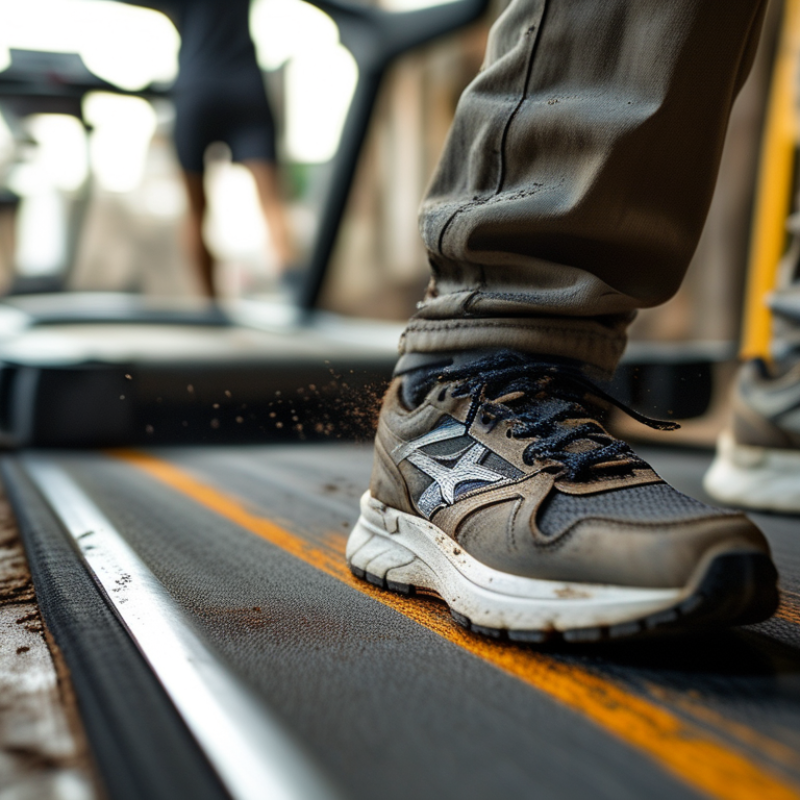
How to Stop a Treadmill Belt From Slipping at High Speed?

Identify the Cause of Treadmill Belt Slipping at High Speed

A treadmill belt slipping at high speed usually signals a mechanical problem, not poor running form. Belt slip means the motor pulley turns, but the walking belt briefly loses traction. Belt drift is different; it moves sideways because tracking is incorrect.

Start by identifying when the slip occurs. If it happens during acceleration, inspect belt tension and the front roller pulley. A loose belt may pause under load, while excessive tension can strain the motor and deck. If the belt feels jerky, unplug the treadmill and check for a worn underside, glazed surface, or dry deck. My first assumption was often poor lubrication. That is not always correct. Too much lubricant can also reduce traction.

A 2021 U.S. Consumer Product Safety Commission report estimated about 22,500 treadmill injuries received emergency treatment in 2019. The report also recorded 17 treadmill-related deaths from 2018 through 2020. These figures make a safe diagnosis essential. Do not test a suspected slipping belt at top speed. Remove the power first. Check the drive pulley, motor belt, roller alignment, and visible debris. ASTM F2115-12(2021), the standard for treadmill safety and performance, emphasizes guarding and reliable operating components. If tension adjustments do not restore smooth movement, stop using the machine. A qualified technician should measure motor current, pulley wear, and belt alignment. Guesswork can hide a failing deck.

Inspect the Belt, Deck, Rollers, and Drive System

A treadmill belt that slips at high speed needs careful inspection, not just extra lubricant. Unplug the machine before touching any moving parts. Check the belt tension by lifting its edge near the center. It should rise about two to three inches, depending on the manufacturer’s instructions. A belt that feels loose may hesitate during acceleration. An overly tight belt can also strain the motor and create heat. I once saw a belt slip because the adjustment bolts were tightened unevenly.

Look at the walking deck for dark wear marks, cracks, or rough areas. A dry or damaged deck increases friction under the belt. Clean away dust and hair around the deck edges. Do not add lubricant unless the equipment manual permits it. Too much lubricant can make the belt slide instead of glide. Feel the rollers for wobbling, grinding, or uneven resistance while turning them by hand. Small problems matter.

Inspect the front roller pulley and drive belt for polished surfaces, fraying, or looseness. The drive belt should sit firmly without looking stretched. Check that the roller remains parallel with the frame. Misalignment often causes slipping at higher speeds. After adjustments, test the treadmill at low speed, then increase gradually while standing clear. Stop immediately if you hear popping, burning smells, or repeated hesitation. My earlier mistake was adjusting the rear bolts without checking the drive system. That approach can hide the real fault.

Adjust the Treadmill Belt Tension and Alignment

A treadmill belt that slips at high speed often needs tension and alignment checks. Unplug the treadmill before adjusting anything. Lift the belt slightly at its center. It should rise a few centimeters, but it should not feel loose or floppy. If it lifts much higher, tighten both rear roller bolts evenly. Turn each bolt only one-quarter turn, then test the belt again.

Keep both sides balanced. Unequal tension can push the belt toward one rail. Stand behind the treadmill and inspect the gap between the belt and each side rail. If the belt moves left, make a tiny adjustment to the left or right rear bolt, depending on the machine’s adjustment design. Make changes slowly. Small turns matter.

A useful test is running the treadmill at low speed first. Watch for drifting, squealing, or hesitation under foot pressure. Increase speed gradually after the belt tracks near the center. My first adjustment was too aggressive, and the belt became tight enough to strain the motor. That was a mistake. Check the owner’s service instructions before using a wrench, because adjustment layouts differ. Stop immediately if the belt jerks, smells hot, or makes sharp grinding sounds. A properly tensioned belt should move smoothly, respond evenly, and remain centered during a short high-speed test.

How to Stop a Treadmill Belt From Slipping at High Speed

Adjust the belt tension and alignment gradually. The chart shows the theoretical time required for a treadmill belt to travel 100 meters at common speeds. If the belt slips or fails to maintain the selected speed, inspect tension, tracking, roller cleanliness, and lubrication according to the treadmill manual.

Before making adjustments, switch off and unplug the treadmill. For a slipping belt, make small, equal adjustments to the rear roller tension bolts, testing the belt after each adjustment. If the belt moves toward one side, correct the alignment in small increments and avoid over-tightening, which can increase motor and roller wear.

Lubricate the Deck and Reduce Excessive Belt Friction

How to Stop a Treadmill Belt From Slipping at High Speed?

A slipping belt often points to excessive friction between the belt and deck. When dry surfaces rub, the motor works harder, heat builds, and belt movement becomes uneven. A 2023 report from the U.S. Consumer Product Safety Commission estimated more than 20,000 treadmill-related emergency department visits annually in recent years. Proper maintenance cannot prevent every accident, but it can reduce avoidable mechanical problems.

Unplug the treadmill first. Lift the belt slightly and apply the lubricant specified in the equipment manual, usually along both deck edges. Do not pour lubricant onto the running surface. Spread it by walking slowly for three to five minutes. The deck should feel smoother, not oily. Too much lubricant may cause slipping instead of correcting it. That mistake is easy to make.

Check the belt after about 30 minutes of use. If it still hesitates at high speed, inspect tension and alignment. A belt tightened excessively creates additional drag. ISO 20957-1 and ASTM F2115 identify stable belt movement and safe operation as important treadmill performance considerations. These standards do not replace the service manual, however. I have seen users lubricate repeatedly while ignoring a worn deck. That approach wastes lubricant and delays the real repair. A qualified technician should measure motor load, belt tracking, and deck wear when adjustment fails.

Test the Treadmill Safely and Prevent Future Slipping

How to Stop a Treadmill Belt From Slipping at High Speed?

A slipping belt needs a safe test before any adjustment. Remove loose clothing and secure the safety clip. Keep both feet on the side rails, then start the treadmill at its lowest speed. Watch the belt for jerking, drifting, or brief pauses. Do not touch the belt while it is moving. Stop the machine, unplug it, and wait until every part is still.

Check the Belt Tension and Alignment

Check the belt tension and alignment according to the user manual. Small adjustments matter. Turn each rear roller bolt evenly, usually in quarter-turn steps. An overtightened belt can damage the motor or rollers. A loose belt may hesitate when your foot lands.

Clean dust from the deck and inspect for worn edges, cracks, or unusual noise. Apply lubricant only when the manufacturer allows it. Too much lubricant can create another slipping problem.

Test the Treadmill Gradually

Test again at a slow walking speed, then increase gradually while standing near the side rails. Do not jump onto a fast-moving belt. I once assumed more tension would solve everything, but the belt still hesitated because the deck was dry. That mistake changed my routine.

After several minutes, stop and recheck the alignment. If slipping continues, the drive belt, roller, or motor may need professional inspection. Keep a simple maintenance record, including adjustments, cleaning dates, and unusual sounds. Small notes can reveal a pattern before a minor fault becomes a serious fall risk.

FAQS

Why does a treadmill belt slip at high speed?

Loose tension, poor alignment, dust, a dry deck, or worn parts can cause slipping. Small causes matter.

How can I check belt tension safely?

Unplug the treadmill completely. Lift the belt at its center. It should rise a few centimeters without feeling floppy.

How should I tighten a loose treadmill belt?

Turn both rear roller bolts evenly, using quarter-turn steps. Test the belt after each adjustment. Do not overtighten it.

What happens if the belt tension is uneven?

Uneven tension can push the belt toward one side rail. Stand behind the treadmill and compare both gaps. Small turns matter.

How should I test the treadmill after adjustment?

Start at the lowest speed with both feet on the side rails. Watch for drifting, jerking, squealing, or hesitation. Increase speed gradually.

What should I avoid during a treadmill belt test?

Secure the safety clip and remove loose clothing. Never touch a moving belt or jump onto it at high speed. Keep your hands away.

Can cleaning or lubrication prevent belt slipping?

Remove dust from the deck and inspect the belt for cracks or worn edges. Use lubricant only when the instructions allow it. Too much lubricant may worsen slipping.

When should a professional inspect the treadmill?

Stop immediately if the belt jerks, smells hot, or makes sharp grinding sounds. Continued slipping may involve the roller, drive belt, or motor. My first adjustment was too aggressive.

Conclusion

If you are asking, “Why is my treadmill belt slipping during high-speed runs?”, the problem may come from incorrect tension, poor alignment, excess friction, or worn components. First, stop using the treadmill and inspect the belt, walking deck, front and rear rollers, and drive system for signs of wear, debris, looseness, or damage. A belt that is too loose may slide under acceleration, while one that is too tight can increase friction and strain the motor. Adjust the rear roller bolts gradually and evenly, keeping the belt centered and properly aligned.

Clean the deck and apply the appropriate treadmill lubricant if the surface is dry, as insufficient lubrication can contribute to slipping and overheating. After making adjustments, test the treadmill at low speed before gradually increasing the pace. Listen for unusual sounds and watch for belt movement. Regular cleaning, lubrication, alignment checks, and timely replacement of worn parts can help prevent slipping during future high-speed workouts.

Charlotte

Charlotte

Charlotte is a seasoned marketing professional with a deep understanding of the company's portfolio and a passion for elevating its presence in the market. With a keen eye for detail and a commitment to excellence, she ensures that our professional blog is regularly updated with insightful articles......