Maintaining a commercial rowing machine is crucial for longevity and performance. Experts emphasize the importance of proper care. For instance, Dr. Emily Thompson, a fitness equipment specialist, states, "Regular maintenance not only extends the lifespan of the machine but also enhances workout efficiency."
Understanding how to maintain a commercial rowing machine to extend its life involves routine upkeep and attention to detail. The machine faces wear and tear over time, especially in high-use facilities. Factors like dust, sweat, and moisture can significantly affect its performance. Regularly cleaning the machine and checking for loose bolts are simple yet effective maintenance practices.
Additionally, paying attention to the moving parts is essential. Lubricating the chain and monitoring the resistance mechanism can prevent major breakdowns. Reflection on past experiences shows that neglect often leads to costly repairs and unhappy users. By committing to consistent maintenance, gyms can ensure their rowing machines are always ready for use and performing at their best.
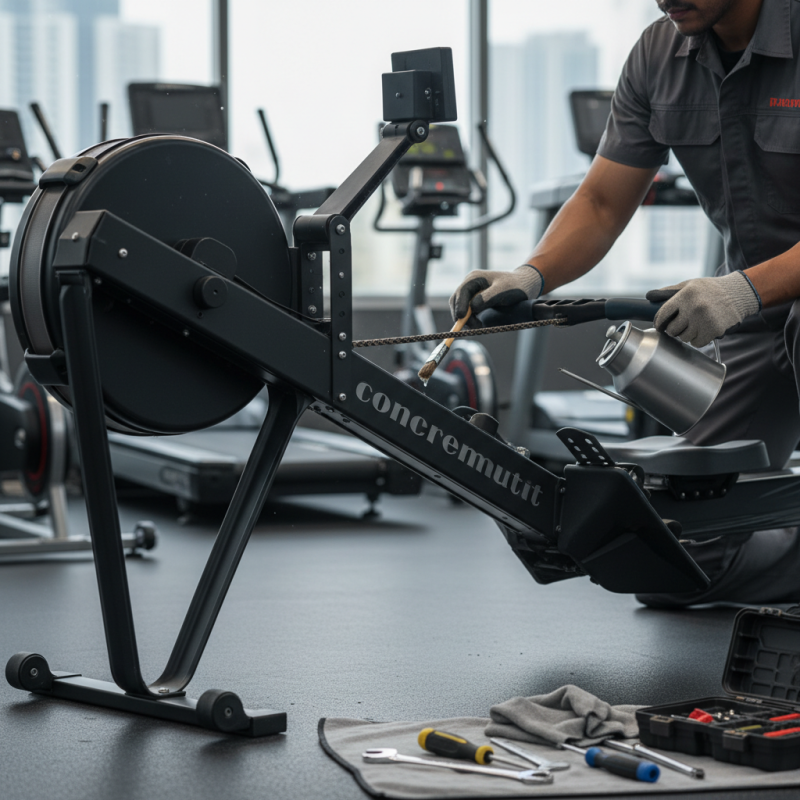
Choosing the right location for your commercial rowing machine is crucial for maximizing its utility and lifespan. One key factor to consider is the flooring. Ideally, you need a flat, stable, and shock-absorbent surface. According to industry reports, machines on inappropriate surfaces are more prone to wear and tear, shortening their lifespan by an estimated 20%.
Lighting is another important consideration. A well-lit space ensures that users can perform their workouts safely. Some studies highlight that poorly lit environments can decrease motivation and lead to accidental injuries. You might want to avoid placing your rowing machine in dark corners or basements without proper illumination.
Ventilation can’t be overlooked either. Rowing is a high-intensity activity, generating heat and moisture. A study published by fitness professionals states that inadequate airflow can lead to a decline in performance. Users tend to feel fatigued faster in stifling conditions. Assessing the room’s airflow can help in maintaining an optimal workout environment. Placing machines near windows or using fans can enhance user experience, but be mindful of drafts that can distract or disrupt workouts.
Proper maintenance of your commercial rowing machine is essential for its longevity and performance. Establishing a regular cleaning schedule can prevent wear and tear. After each use, wipe down the surfaces with a gentle cleaner. Pay attention to areas where sweat accumulates. Dirt and grime can lead to malfunctions over time. Consider setting a weekly deep cleaning session. This includes removing the seat and inspecting the track for any debris.
In addition to cleaning, check for mechanical issues regularly. Inspect the cables for fraying. Lubricate moving parts as suggested in the manual. If something seems off, don’t ignore it. Early detection can save you from costly repairs later. Maintain the resistance system; it should operate smoothly. Replace any worn-out parts immediately.
Also, reflect on how often you're using the machine. Infrequent usage may still require attention. Dust can settle on unused equipment. Even commercial machines need a little love. Establish a checklist that partners with your schedule, making maintenance less daunting. Remember, a well-cared-for machine enhances your workout experience.
When it comes to maintaining your commercial rowing machine, lubrication is crucial. Regularly applying the right lubricant can prolong the life of your machine. Focus on the chain, seat rails, and flywheel. Each component requires different lubrication techniques. Understanding these differences is essential for effective maintenance.
Using a dry lubricant for the chain can reduce dirt buildup. Apply it sparingly, ensuring it penetrates all areas. For the seat rails, a silicone-based spray works well. It helps the seat glide smoothly with less friction. Don’t forget about the flywheel. A light oil can help prevent unwanted noise and wear.
While lubrication is vital, over-application can lead to unintended issues. Excess lube can attract dust and grime, impacting performance negatively. Regularly check all components for wear and tear. An observant eye can catch small problems before they escalate. Always refer to your machine’s manual for specific guidance, but your judgment is equally important.
This chart presents essential lubrication techniques for the main components of a rowing machine, illustrating the importance of regular maintenance to ensure optimal performance.
To keep your commercial rowing machine running smoothly, regular checks and part replacements are essential. Start by inspecting the chain. Over time, the chain can wear down or become misaligned, affecting your rowing experience. Clean it regularly and check for rust. If it feels gritty or sticky, it’s time to replace it. A new chain can enhance performance significantly.
Next, pay attention to the seat. Sometimes the rollers can get lint or debris stuck in them. This could cause uneven movement. Regular cleaning can help avoid this issue. If the seat feels loose or wobbly, tightening the screws should restore stability. However, if the problem persists, consider replacing the entire seat assembly.
Don’t forget about the footrests. Over time, they can crack or lose grip. Inspect them for wear and ensure they securely hold your feet. If you notice any damage, replacing them is a small effort that can greatly improve your safety and comfort while rowing. A well-maintained rowing machine not only lasts longer but also provides a better workout experience.
Proper usage techniques are vital for preventing damage to your commercial rowing machine. According to the International Health, Racquet & Sportsclub Association (IHRSA), over 50% of gym equipment failures result from improper use. This indicates the importance of educating users about the correct techniques.
One key element is ensuring a proper seating position. Users should adjust the seat height so that their knees are just below hip level when sitting. This helps maintain proper leg positioning during the stroke phase. Misalignment can lead to increased strain and possible injury. A study from the American College of Sports Medicine shows that ergonomic adjustments can significantly reduce injury risk by more than 30%.
Another crucial aspect is the handling of the machine. Users should always engage the foot straps correctly. Loose straps can cause instability during workouts. This unnecessary movement may also shorten the lifespan of the equipment. It's essential to check and tighten the straps before beginning any session. Regularly inspecting the machine for wear can prevent critical issues during use. By fostering awareness among users, facilities can reduce the likelihood of breakdowns and enhance the overall longevity of their rowing machines.
: Clean it after each use. Wipe down all surfaces with a gentle cleaner to prevent wear.
Set a weekly deep cleaning session. Remove the seat and inspect the track for debris.
Regularly inspect cables for fraying. Look for any issues that might affect performance and safety.
Lubricate moving parts as needed. Replace worn-out components right away to maintain good function.
Inspect it frequently for rust or wear. Clean it regularly and replace it if it feels sticky.
If the seat feels loose, wobbly, or the rollers are stuck, consider tightening or replacing it.
Inspect them for cracks and ensure they grip your feet well. Damaged footrests should be replaced for safety.
Yes, even if not in use, dust can settle. Regular checks can prevent issues later on.
A well-maintained machine enhances your experience. Neglect can lead to problems that disrupt workouts.
A gentle cleaner, lubricant, and a basic toolset for tightening screws help keep the machine in good shape.
Maintaining a commercial rowing machine is essential for extending its lifespan and ensuring optimal performance. To effectively answer the question, "How to maintain a commercial rowing machine to extend its life?" it's crucial to start by choosing the right location, ensuring the machine is placed on a stable surface away from moisture and direct sunlight. Regular cleaning should be part of a maintenance schedule, including wiping down the machine after use to prevent build-up of sweat and dust.
Additionally, essential lubrication techniques are necessary to keep the moving parts functioning smoothly, while periodic checks and replacements of parts can prevent malfunctions. Lastly, educating users on proper rowing techniques not only enhances their experience but also helps prevent damage to the machine. Adhering to these guidelines will significantly contribute to the longevity and efficiency of your commercial rowing equipment.

Naturist Fitness