In the evolving fitness landscape, functional trainers have emerged as versatile tools for strength training. According to recent industry reports, functional training can enhance strength, flexibility, and overall conditioning. A study by the American Council on Exercise indicates that 70% of fitness professionals advocate for functional training in their programs. This trend aligns with the growing demand for efficient, multitasking workout solutions.
Many enthusiasts wonder how to use a functional trainer for full-body strength. This equipment offers various exercises that target multiple muscle groups. The key is understanding its capabilities and integrating movements that mimic everyday activities. Building strength isn't just about lifting weights; it's also about functional movement patterns that improve daily life.
While the advantages of functional trainers are clear, the challenge lies in proper execution. Incorrect use can lead to frustration and inadequate results. Thus, it's crucial to constantly reflect on your techniques and outcomes. Focusing on adaptability and awareness will lead to better performance and satisfaction in your strength training journey.
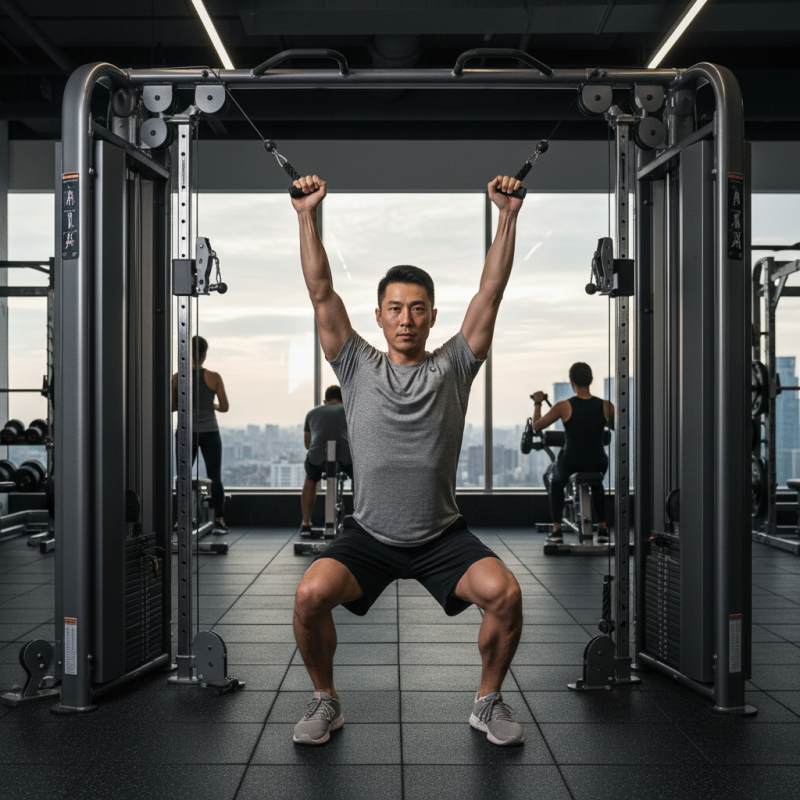
Benefits of Using a Functional Trainer for Full Body Workouts
When it comes to full body workouts, a functional trainer stands out for its versatility. These machines allow for a range of movements. They target multiple muscle groups, making workouts efficient. By integrating different exercises, you can work on strength and flexibility simultaneously. This promotes overall fitness, essential for daily activities.
One key benefit is the ability to perform compound movements. These exercises, like squats paired with shoulder presses, engage several muscles at once. It's an effective way to save time while building strength. Remember to adjust the weights carefully. Start with lighter loads to master your form. Failing to do so can lead to injuries.
Incorporating a functional trainer can improve core stability. Exercises like woodchoppers can activate your core and enhance balance. You might notice that your performance in other sports improves. Things won’t always go as planned. You might struggle with coordination at first. However, consistency will yield progress. Embrace the journey of learning and refining your skills.
China Top 10 Ways to Use a Functional Trainer for Full Body Strength
| Exercise |
Muscle Groups Targeted |
Benefits |
| Cable Squats |
Legs, Core |
Builds lower body strength and stability |
| Cable Rows |
Back, Shoulders, Arms |
Strengthens upper body and improves posture |
| Chest Press |
Chest, Shoulders, Triceps |
Enhances pushing strength |
| Cable Deadlifts |
Back, Hamstrings, Glutes |
Improves strength in posterior chain |
| Cable Woodchoppers |
Core, Obliques |
Increases rotational strength |
| Lateral Raises |
Shoulders, Upper Back |
Enhances shoulder stability |
| Triceps Pushdowns |
Triceps |
Boosts arm strength |
| Pull-Ups |
Back, Biceps |
Improves upper body strength |
| Farmer's Walk |
Legs, Core, Grip |
Builds endurance and overall strength |
| Plank Rows |
Core, Back |
Enhances core stability and strength |
Key Exercises for Upper Body Strength with a Functional Trainer
When it comes to building upper body strength, a functional trainer is a versatile tool. It allows for a variety of exercises that engage multiple muscle groups simultaneously. One key exercise is the seated row. This target involves your back, shoulders, and arms. Using the functional trainer, you can adjust the resistance to suit your fitness level. Remember to keep your form in check, as poor technique can lead to injury.
Another effective exercise is the chest press. This movement focuses on your chest, triceps, and shoulders. Adjust the cables to a suitable height and press forward, engaging your core for stability. It's common for beginners to struggle with balance. Pay attention to your posture during the press. Engaging your entire body can enhance the effectiveness of the workout.
Finally, don't overlook shoulder raises. This simple exercise works your deltoids effectively. Stand tall, and lift the cables to shoulder height. It may feel easy initially, but fatigue sets in quickly. It's important to reflect on your stamina and strength limits. Assess your performance and adjust your routine as needed. This self-awareness will help in building a stronger upper body over time.
Lower Body Workouts: Maximizing Gains with Functional Training
Functional training focuses on building strength through dynamic movements. Lower body workouts, in this context, can be particularly effective. A study published in the Journal of Strength and Conditioning Research found that incorporating functional trainers can increase lower body strength by up to 30% over eight weeks. This significant improvement comes from exercises that engage multiple muscle groups simultaneously.
Exercises like squats, lunges, and deadlifts target key lower body muscles such as quadriceps, hamstrings, and glutes. By adjusting resistance and angles, a functional trainer can provide progressive overload, which is essential for muscle growth. However, some users struggle with form, leading to risk of injury. It's crucial to focus on technique over weight, ensuring movements are controlled.
Additionally, integrating core stability exercises enhances overall performance. Exercises such as single-leg balances improve proprioception and reduce injury risk. Some trainers may notice that progress stalls after initial gains. Reflecting on workout structure and recovery times can help overcome these plateaus. Seeking guidance from a professional trainer can offer valuable insights and personalized adjustments for maximizing gains.
Core Stability: Engaging Your Core with a Functional Trainer
Engaging your core is vital for overall body strength, and a functional trainer can play a key role in this. Recent studies indicate that exercises focusing on core stability can reduce the risk of injury by up to 50%. Using a functional trainer, you can perform multi-dimensional movements that challenge your core in various ways, enhancing both strength and stability.
One effective exercise is the cable woodchop, which targets the obliques and transverse abdominals. The rotational movement forces your core to stabilize, promoting better functional strength. Another great option is the single-arm row. This not only strengthens the back but also engages the core to maintain balance and posture.
Tips: Remember to focus on your breathing. Exhaling during exertion helps engage the core effectively. Maintaining proper form is critical. Poor posture may lead to injuries instead of benefits. Gradually increase weights to avoid strain and allow your core to adapt.
With consistent practice, you'll notice improved core stability. However, be aware that not all exercises may work for everyone. Always listen to your body and make adjustments as needed. Consider consulting a fitness professional to ensure you're using the functional trainer correctly and effectively.
China Top 10 Ways to Use a Functional Trainer for Full Body Strength
This chart illustrates the top 10 exercises using a functional trainer, rated on their effectiveness for full body strength, specifically focusing on core stability and overall performance. Each exercise targets different muscle groups while enhancing core engagement.
Tips for Creating a Balanced Full Body Workout Routine
Creating a balanced full body workout routine using a functional trainer can significantly improve strength and overall fitness. According to a 2022 report by the American Council on Exercise, incorporating various exercises keeps the muscles challenged and engaged. A well-rounded plan includes compound movements to target multiple muscle groups, promoting muscle growth and endurance.
Use the functional trainer for exercises like squats, lunges, and rows. These help in developing lower and upper body strength. Mixing in core workouts, such as planks and twists, adds stability. Aim for at least two to three sessions a week to maximize benefits. Balance workouts with rest days for recovery.
When designing your routine, incorporate tips like varying the resistance and number of repetitions. Research shows that adjusting intensity can lead to better results. Track your progress to identify areas for improvement. Listening to your body is vital. Some days, you may not feel 100%. It's okay to modify your routine based on how you feel. This flexibility promotes longevity in your fitness journey.
FAQS
: A functional trainer is versatile. It allows for various movements and targets multiple muscle groups efficiently.
Compound movements involve exercises like squats and shoulder presses. They engage several muscles, saving time while building strength.
Engaging your core is vital. Exercises like cable woodchoppers enhance balance and strengthen the core effectively.
Focus on your breathing and maintain proper form. Poor posture may lead to injuries instead of benefits.
Aim for at least two to three sessions a week. Balance workouts with rest days to allow for recovery.
It's okay to modify your routine based on how you feel. Flexibility promotes longevity in your fitness journey.
Not all exercises work for everyone. Listen to your body and make necessary adjustments to prevent strain.
Keep a record of your exercises, resistance, and repetitions. This will help you identify areas for improvement.
Start with lighter weights to master your form. Gradually increase weights to prevent injuries and allow for adaptation.
Conclusion
In the article titled "China Top 10 Ways to Use a Functional Trainer for Full Body Strength," readers are introduced to the numerous benefits of incorporating a functional trainer into their workout regimen. The article outlines effective strategies for how to use a functional trainer for full-body strength, emphasizing its versatility for various exercises targeting both upper and lower body muscles. Key exercises showcased include movements designed for upper body strength, such as rows and presses, as well as lower body workouts like squats and lunges, ensuring maximum gains.
Additionally, the article highlights the importance of engaging your core during workouts to enhance stability and overall performance. By integrating these exercises, individuals can create a balanced full-body workout routine that caters to their fitness goals. With practical tips and guidance, readers can optimize their training sessions and achieve comprehensive strength development using functional trainers.

 Naturist Fitness