When considering fitness equipment for commercial use, buying a used commercial treadmill can be a smart investment. The global treadmill market reached a value of $1.4 billion in 2020 and is projected to grow significantly. Therefore, understanding "what to look for when buying a used commercial treadmill?" is crucial. This can save you both money and time in the long run.
Inspecting the condition of the treadmill is essential. Look for wear and tear, especially on the belt and motor. Inadequate maintenance can lead to costly repairs later. According to a report by IBISWorld, 25% of fitness equipment failures are due to poor maintenance. It’s important to ask for service records and warranties.
Additionally, evaluate the brand and model. Some brands are known for their durability and long lifespan. While cheaper models may seem attractive, they often lack quality and support. Consider the treadmill’s weight capacity and features. Investments in quality equipment can lead to better user experiences and fewer replacements. Scrutinizing these details will help ensure a worthwhile purchase.
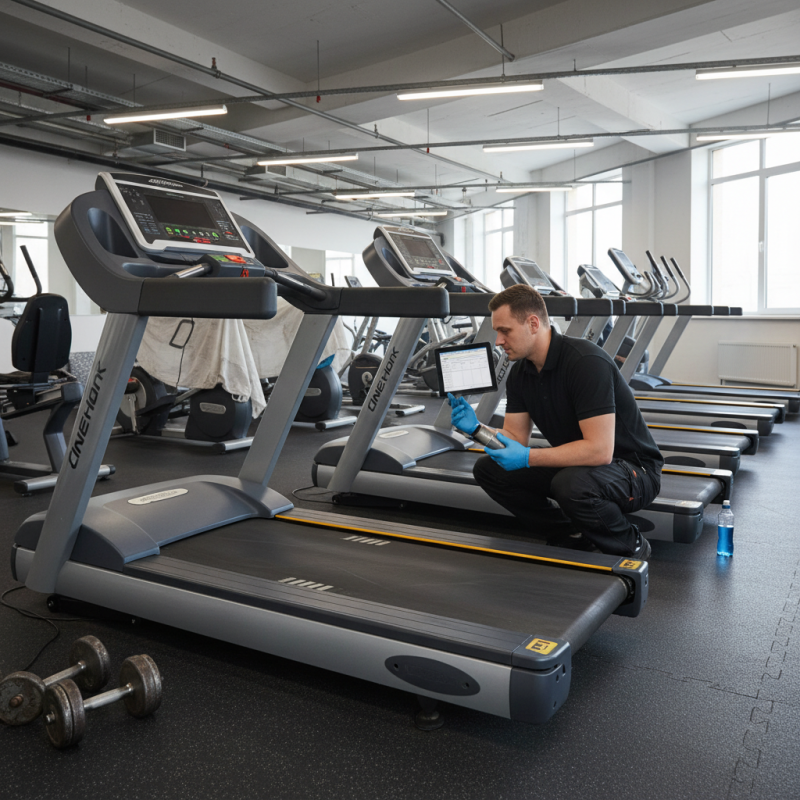
When considering a used commercial treadmill, understanding your specific needs is crucial. Start by assessing the space available in your home or gym. Measure the area where you plan to place the treadmill. This will help you avoid purchasing a machine that’s too large or small for your setup. Think about the type of workouts you’ll be doing. Are you focused on running, or will you use it primarily for walking?
Another important factor is the condition of the treadmill. Check for wear and tear. Listen for unusual noises when it’s in operation. A well-maintained machine will last longer and perform better. Don't skip the importance of testing the features. Treadmills come with various settings and programs. Make sure the machine aligns with your training goals.
It’s also beneficial to research the brand's reputation. Look for trusted reviews and testimonials from previous users. This can provide insight into the quality and reliability of the treadmill. Sometimes, a good deal may lead to unexpected issues down the line. Being thorough in your approach will help you make a more informed decision.
When buying a used commercial treadmill, inspecting its condition is crucial. Look for visible signs of wear. Check the belt for any fraying or uneven surface. A smooth, consistent motion is essential for a good workout. Listen for any unusual noises during operation. These may indicate potential mechanical issues.
Additionally, examine the treadmill’s features carefully. Adjustable incline settings enhance workout intensity. Look for consoles that display metrics like distance and calories burned. These features can improve your exercise experience. Don’t forget to test the machine. A short run will help you assess its functionality. Be mindful of how the controls respond. If they feel unresponsive or sluggish, it may require costly repairs.
Remember, even a well-maintained treadmill might have hidden issues. Check the running surface alignment. Misalignment can lead to premature wear and tear. Ask about the treadmill’s history and previous usage. High-usage machines may have a shorter lifespan. Taking time to investigate these aspects ensures a worthwhile investment.
| Tip Number | Inspection Criteria | Details |
|---|---|---|
| 1 | Check the Overall Condition | Look for signs of wear and tear, rust, or damage on the frame. |
| 2 | Test the Running Belt | Ensure the belt is not frayed and runs smoothly without any sticking. |
| 3 | Inspect the Motor | Listen for unusual noises during operation and check for overheating. |
| 4 | Evaluate the Console Features | Ensure all buttons and display functions are working properly. |
| 5 | Check Incline Functionality | Verify that the incline adjusts smoothly and holds steady. |
| 6 | Inspect Safety Features | Make sure the safety key and emergency stop function properly. |
| 7 | Check the Age of the Treadmill | Ask for the purchase date and check for how often it has been used. |
| 8 | Request Maintenance Records | Look for any previous repairs or maintenance to gauge longevity. |
| 9 | Test Different Speeds | Ensure the treadmill operates correctly across its speed range. |
| 10 | Check Warranty Information | Ask if any warranty remains or if there’s a return policy. |
When considering a used commercial treadmill, researching brands and their reliability is crucial. Different brands have varied reputations. Some brands are known for durability; others may have a history of mechanical issues. Look through customer reviews and testimonials. They can offer valuable insights into how well a specific model holds up over time.
Focus on models that are frequently used in commercial settings. These treadmills are built for heavy usage, meaning they often have better construction quality. Compare features like motor strength and running surface dimensions. Checking for warranty policies can also indicate a brand’s confidence in its product. However, always be cautious; high ratings don't guarantee a flawless experience. A well-rated model could end up underperforming in your specific environment.
Examine recalled models and common complaints. You may find users stating issues that aren’t immediately obvious. Even high-quality brands can release some faulty units. Pay attention to the maintenance history if available. A treadmill that’s been well maintained is likely to serve you better than one with a troublesome past. An informed decision relies on comprehensive research, reflecting both strengths and weaknesses in various models.
When buying a used commercial treadmill, it’s essential to evaluate price and warranty options critically. The commercial fitness equipment market is projected to reach $3.3 billion by 2025, showcasing its growth potential. However, purchasing used equipment requires careful scrutiny of the pricing trends. Research suggests that used commercial treadmills can range from 30% to 70% off their original retail price. Prices depend on the model’s age and condition. Remember, an overly low price might indicate equipment issues, and smooth functioning is crucial for long-term usability.
Warranties are a crucial part of any used treadmill purchase. Many used treadmills offer a limited warranty ranging from 30 days to a year. According to industry reports, 60% of gym owners prioritize warranty coverage when buying used equipment. It reflects their commitment to reliability and maintenance. Ensure to read the fine print; some warranties only cover specific parts. It’s vital to verify the history of the equipment. Obtain maintenance records, as they can reveal how well the treadmill was cared for. This information is key for understanding potential future repairs. Assessing these factors can significantly influence your buying decision and long-term satisfaction.
When considering the purchase of a used commercial treadmill, testing its performance is vital. A treadmill may look good on the surface, but its functionality is what truly matters. Industry data shows that nearly 30% of used treadmills fail in performance tests due to wear and tear. Performing a thorough check can help avoid costly mistakes.
Pay attention to the motor's sound. It should run smoothly without any strange noises. A loud or grinding sound may indicate a significant issue. Observe the belt alignment as well. A misaligned belt can lead to further damage and safety hazards. Experts recommend checking the speed adjustments. If the treadmill struggles to reach the desired speed, it may signal underlying mechanical problems.
Inspect the console for responsiveness too. A lagging display could suggest electrical issues. Fitness experts stress the importance of testing all functions. Make sure to try out different incline levels and workout programs. This can help ensure the treadmill meets your performance needs. Taking these practical steps can significantly enhance your purchase experience.
: Different brands have varying reputations for durability and reliability. Research helps you identify quality options.
Look for motor strength, running surface dimensions, and usage in commercial settings for better durability.
A strong warranty can indicate a brand's confidence in its product, but high ratings do not guarantee a perfect experience.
Examine recalled models and common complaints. Look for signs of wear and previous maintenance history.
Listen for a smooth motor sound, check belt alignment, and test speed adjustments and incline levels.
Ensure the console is responsive. A lagging display may indicate potential electrical issues that need attention.
Reviews can be misleading. A well-rated model might still perform poorly in your specific environment.
Nearly 30% of used treadmills fail performance tests due to wear and tear, so thorough checks are necessary.
A treadmill with a clean maintenance history is likely in better shape than one with unresolved issues.
Skipping tests can lead to improper function and safety hazards during use, affecting your overall experience.
When considering what to look for when buying a used commercial treadmill, it is crucial to first understand your personal fitness needs and requirements. This includes assessing the treadmill’s features, such as weight capacity, maximum speed, and incline options, to ensure they align with your intended use.
Next, inspecting the condition of the machine is vital. Look for signs of wear and tear, and check if all features are operational. Additionally, researching the reliability of different brands and models can provide insight into the longevity and performance you can expect. Evaluating the price and warranty options will help you determine if you are making a worthwhile investment. Finally, always test the treadmill before purchase to ensure it meets your performance expectations and physical comfort. By following these guidelines, you can confidently choose the right used commercial treadmill for your needs.

Naturist Fitness