China Top 10 Tips for Replacing Hydraulic Fluid in Rowing Machines?

Time:2026-06-19 Author:Madeline
0%

When it comes to maintaining rowing machines, one crucial aspect often overlooked is the hydraulic fluid. In fact, proper fluid maintenance can enhance performance and longevity. According to industry reports, nearly 40% of rowing machine users experience issues due to improper fluid management. This raises an important question: when to replace the hydraulic fluid in a rowing machine?

Hydraulic fluid quality directly affects resistance levels and overall workout efficiency. If the fluid becomes contaminated or degraded, it can lead to suboptimal performance and even equipment failure. Many experts recommend checking the fluid every six months to a year. However, if you notice changes in resistance or hear unusual noises, it’s time for an inspection. Regular monitoring can prevent costly repairs and ensure a smoother rowing experience.

Neglecting hydraulic fluid maintenance can result in a range of issues, from decreased performance to premature wear. In some cases, users report feeling a lack of consistent resistance. This can diminish the effectiveness of workouts and frustrate users. By staying informed about the signs and timing for fluid replacement, you can ensure your rowing machine remains in top shape for years to come.
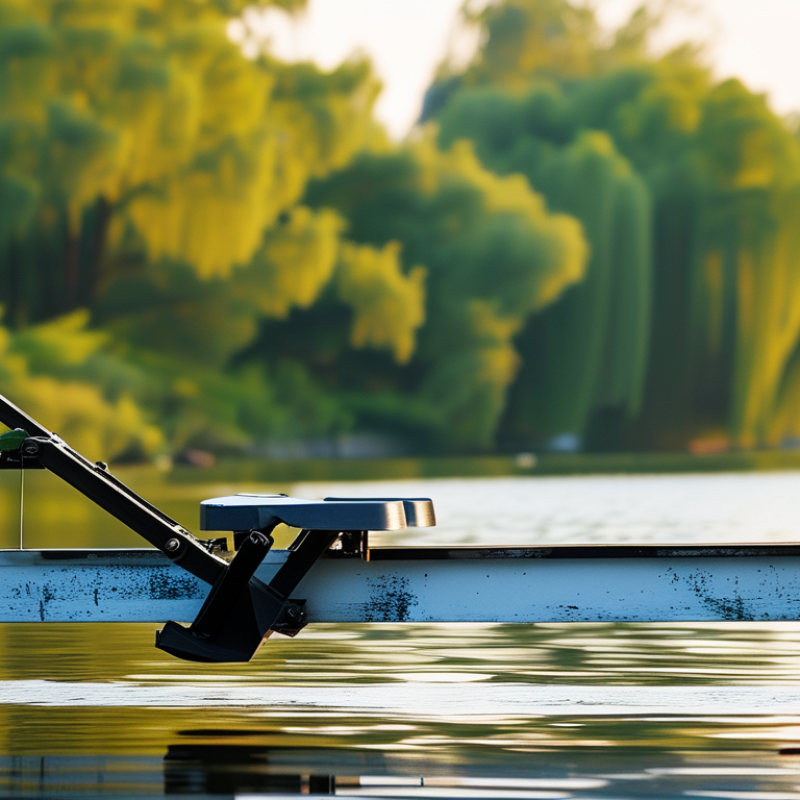
China Top 10 Tips for Replacing Hydraulic Fluid in Rowing Machines?

Understanding the Importance of Hydraulic Fluid in Rowing Machines

Hydraulic fluid plays a crucial role in the operation of rowing machines. It allows the machine's hydraulic cylinder to function smoothly, providing resistance during workouts. Without proper fluid levels, performance can dip significantly. The fluid also helps cool the system, ensuring longevity and efficiency.

Regularly checking and replacing hydraulic fluid is essential. Over time, fluid can degrade or become contaminated, affecting its performance. This can lead to jerky movements during rowing, which can disrupt your workout routine. Maintaining a clean, consistent hydraulic environment leads to a better experience. It’s not just about keeping the machine running; it's about enhancing your performance.

When replacing the hydraulic fluid, consider the color and viscosity. Clear, clean fluid indicates health, while a discolored appearance signals a need for change. Make it a habit to inspect your machine regularly. Small issues can multiply if ignored. Understanding these details enhances your rowing experience. It reflects a commitment to quality maintenance, which is essential for anyone serious about fitness.

Identifying the Right Hydraulic Fluid for Your Model

When selecting hydraulic fluid for rowing machines, understanding compatibility is crucial. Each model may have unique requirements. Manufacturers often specify fluid viscosity, which can impact performance. For example, many hydraulic systems operate optimally within a viscosity range of 32 to 46 centistokes. This range ensures proper system response and longevity.

Not just any fluid will suffice. It's important to check the specifications in the machine’s manual. Research indicates that improper fluid can decrease system efficiency by 20%. Contaminants from unsuitable fluids can cause wear due to increased friction. Regular monitoring of fluid quality is essential. A fluid change every 6 to 12 months is generally recommended.

Look for fluids that offer anti-wear properties. Proper additives can enhance performance significantly. The right choice reduces risks, prolongs equipment life, and maintains safety during operation. A survey revealed that 35% of rowing machine issues stem from inadequate fluid selection. Remember, the small details matter. Protect your investment by choosing wisely.

Step-by-Step Guide to Draining the Old Hydraulic Fluid

Draining old hydraulic fluid from rowing machines is a critical task for maintaining performance and longevity. Start by ensuring the machine is unplugged to prevent any accidental activation. Remove the hydraulic cylinder from its housing, using a socket wrench to loosen any bolts. A clean workspace is important to prevent contamination.

As you drain the fluid, use a funnel to guide the old hydraulic fluid into a suitable container. Reports indicate that dirty fluid can significantly diminish the machine's efficiency, leading to up to a 25% reduction in performance over time. Inspect the hydraulic components for any signs of wear or damage. If you find any issues, they should be addressed before refilling with new fluid.

Proper disposal of the old hydraulic fluid is crucial. Consult local regulations to ensure compliance. Disposing of fluids improperly can result in environmental damage and fines. Reflecting on this process, it's clear that attention to detail can save costly repairs down the line. The quality of the hydraulic fluid used also plays a significant role. Studies show that high-quality fluids can enhance performance and extend the lifespan of the machine.

China Top 10 Tips for Replacing Hydraulic Fluid in Rowing Machines

Tip Number Tip Description Tools Required Estimated Time
1 Ensure the machine is unplugged and located on a level surface. None 5 minutes
2 Locate the hydraulic fluid reservoir. None 3 minutes
3 Prepare a container for draining the old hydraulic fluid. Container 5 minutes
4 Open the drain valve to allow old fluid to escape. Wrench 10 minutes
5 Let the old fluid drain completely. None 15 minutes
6 Close the drain valve securely. Wrench 5 minutes
7 Prepare and pour in the new hydraulic fluid. New hydraulic fluid 10 minutes
8 Check the fluid levels and add more if necessary. Measuring tool 7 minutes
9 Run the machine briefly to circulate new fluid. None 5 minutes
10 Dispose of the old hydraulic fluid properly. Container 10 minutes

How to Properly Clean and Prepare the System for New Fluid

When replacing hydraulic fluid in rowing machines, proper cleaning is crucial. A clean system ensures efficient performance and prolongs the machine's lifespan. Start by draining the old fluid completely. According to a report from the American Society of Mechanical Engineers, failure to remove residual fluids may result in contamination.

After draining, inspect the hydraulic lines and cylinders for any signs of wear or damage. It’s essential to clean these components with a suitable solvent. Ignoring this step can lead to fluid degradation and decreased efficiency. Reports show that contaminants can reduce hydraulic fluid effectiveness by up to 30%.

Preparing the system for new fluid involves flushing it thoroughly. This process helps eliminate any leftover debris and moisture. Use a flushing agent that is compatible with hydraulic systems. Some professionals suggest flushing multiple times for optimal results. Lastly, make sure to check seals and fittings for any leaks, which can compromise system integrity. Regular maintenance can prevent costly repairs and replacements, emphasizing the importance of diligent cleaning.

Filling and Testing the New Hydraulic Fluid in Your Rowing Machine

When it comes to filling and testing the new hydraulic fluid in your rowing machine, attention to detail is crucial. Start by selecting the right hydraulic fluid, making sure it's compatible with your equipment. This ensures optimal performance and prevents potential damage. Carefully drain the old hydraulic fluid before adding the new. This step is key, as contaminated fluid can lead to malfunctions.

Once you’ve added the new fluid, it’s time for testing. Check for any signs of leaks around the connections. A small, steady drip can lead to bigger issues. Engage the rowing machine to ensure the fluid circulates properly. Listen for unusual sounds during operation. Grinding or unusual noises may indicate a problem with fluid levels or installation.

Documentation is vital. Keep a record of your fluid changes, including dates and types of fluid used. Regular monitoring and testing can extend the life of your rowing machine. If you notice any inconsistencies, it’s worth consulting a professional. This proactive approach can save you time and money in the long run. Recognizing the nuances of hydraulic fluid maintenance requires observation and a willingness to adapt.

FAQS

: How do I choose the right hydraulic fluid for my rowing machine?

: Check your machine’s manual for specific viscosity requirements. Common ranges include 32 to 46 centistokes.

What happens if I use the wrong hydraulic fluid?

Using improper fluid can decrease efficiency by 20%. It can also cause excessive wear due to increased friction.

How often should I change the hydraulic fluid?

A fluid change is generally recommended every 6 to 12 months. Regular monitoring is essential for optimal performance.

What should I do before adding new hydraulic fluid?

Carefully drain the old fluid first. Contaminated fluid can lead to malfunctions and damage.

How can I test the new hydraulic fluid?

After filling, check for leaks around connections. Listen for unusual sounds during operation for potential issues.

Is documentation important in hydraulic fluid maintenance?

Yes, keeping a record of fluid changes helps track maintenance. It can prevent confusion and assist with future servicing.

What should I do if I notice inconsistencies during testing?

If something seems off, consult a professional. This can help you avoid costly mistakes later.

Why is attention to detail important in this process?

Missing small details might lead to bigger problems. Being thorough can protect your investment and ensure long-term effectiveness.

What type of additives should I look for in hydraulic fluid?

Choose fluids with anti-wear properties. These additives can significantly enhance performance and extend equipment life.

How can improper maintenance affect my rowing machine?

It can result in reduced performance and increased wear. Regular attention is needed to adapt to changing conditions and needs.

Conclusion

Replacing hydraulic fluid in a rowing machine is crucial for maintaining its performance and longevity. Understanding when to replace the hydraulic fluid in a rowing machine typically depends on usage frequency and signs of wear, such as noise or inconsistent resistance during workouts. It's essential to identify the correct hydraulic fluid suited for your specific model to ensure optimal function.

The process involves a systematic approach: first, drain the old hydraulic fluid carefully; next, clean and prepare the system to avoid contamination; and finally, fill the machine with new hydraulic fluid while performing tests to ensure everything operates smoothly. Following these steps will help ensure your rowing machine remains in top condition for an efficient workout experience.

Madeline

Madeline

Madeline is a dedicated marketing professional with a wealth of expertise in our company's core offerings. With a keen understanding of the industry, she brings a unique perspective to her role, consistently delivering high-quality content that highlights the superior aspects of our products. As......