When experiencing the issue of "Why is my treadmill belt slipping during high-speed runs?", many runners seek answers. According to fitness expert Dr. John Smith, "A slipping treadmill belt can disrupt your workout and lead to injuries." This highlights the importance of understanding treadmill mechanics.
A slipping belt can be frustrating. If your treadmill belt shifts during intense workouts, it may indicate several underlying problems. These could range from loose bolts to worn belts. Each scenario requires attention. Many users overlook regular maintenance, yet this is crucial for optimal performance.
The experience of a treadmill belt slipping not only impacts your run but can also lead to potential injuries. Regular checks and maintenance can help prevent this issue. Understanding "Why is my treadmill belt slipping during high-speed runs?" can lead to better workouts and a safer running environment. Investing time in troubleshooting now can save you from future setbacks.
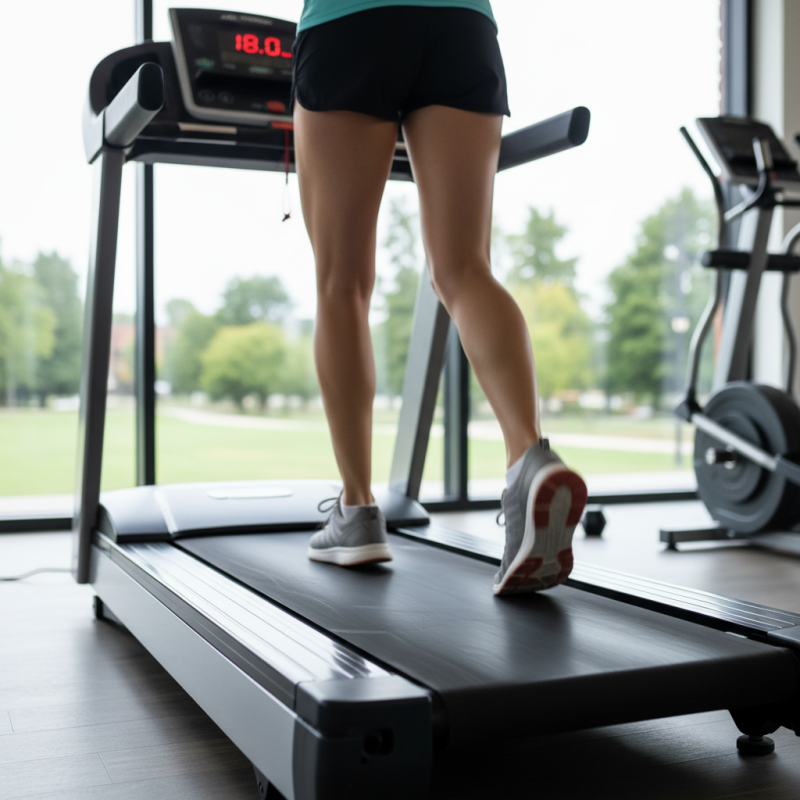
Treadmill belt mechanics are crucial for a smooth workout. A slipping belt during high-speed runs is frustrating. It can disrupt your rhythm and lead to potential injuries. Understanding how a treadmill works helps identify issues. Each belt connects to a motor and requires proper tension. If the tension is off, the belt may slip.
Factors contributing to slippage include wear and tear. Belts face immense friction, especially during fast-paced sessions. Check for signs of damage or fraying. Regular maintenance enhances the lifespan of the belt. Dust accumulation can also interfere with functionality. Keep the area clean to prevent unexpected issues.
Sometimes, users overlook the alignment of the belt. A misaligned belt may not track properly on the rollers. This could lead to premature wear. Adjusting the alignment can eliminate slipping. Always refer to the manufacturer's guidelines for adjustments. Taking these precautions can enhance your treadmill experience.
| Cause | Description | Solution |
|---|---|---|
| Belt Tension | The belt may be too loose, causing it to slip during high-speed runs. | Adjust the tension of the treadmill belt according to the manufacturer's instructions. |
| Belt Wear | Over time, the belt may become worn or damaged. | Replace the treadmill belt if it shows significant wear or damage. |
| Lubrication | Insufficient lubrication can cause increased friction. | Lubricate the treadmill belt regularly with the appropriate lubricant. |
| Motor Issues | A failing motor can lead to inconsistent belt speed. | Have the motor inspected and serviced by a professional if suspected to be faulty. |
| Alignment Problems | Improper alignment can cause the belt to slip off-center. | Adjust the alignment of the treadmill belt as per the user manual. |
When running at high speeds on a treadmill, it's frustrating to experience a slipping belt. This issue can derail your workout and lead to injuries. Several common causes contribute to this problem.
One major reason for belt slipping is poor tension. Over time, belts can stretch, losing their grip. Regularly checking the tension can help maintain performance. Another cause is improper alignment. If the belt isn’t aligned correctly, it may drift during use. A misaligned belt can create uneven wear, prompting slipping at higher speeds.
Dust and debris can also play a role in this issue. A dirty treadmill deck can reduce friction, causing the belt to slip as you run. Cleaning the deck and lubricating the belt can mitigate this. Users often overlook these maintenance tasks, but they are essential for optimal performance. Lastly, consider your running style. Overstriding or sudden changes in speed can also contribute to slipping. Being mindful of your form can help improve overall treadmill performance.
When your treadmill belt starts slipping during high-speed runs, it may signal underlying issues. Identifying the
signs of a worn or damaged belt is crucial for maintaining performance.
Common indicators include visible fraying or wear on the edges. If the belt
appears shiny, it may be overheating due to friction. Manufacturers suggest a belt typically lasts between
1500 to 3000 miles, depending on usage and maintenance. Regular checks help you
catch potential issues before they escalate.
Look for uneven tension across the belt. This can cause it to
slip, especially during higher speed intervals. If you hear a popping sound or notice inconsistent speed, these are warning
signals. Checking the alignment regularly can prevent significant damage. A misaligned belt can contribute
to unnecessary wear, leading to costly repairs.
Tips for upkeep involve routine lubrication of the belt. Keeping the treadmill
clean also helps prevent debris buildup that can impede functionality. Ensure the deck is smooth and free of dirt;
this can prolong the belt's life. Regular inspections can save you from unexpected disruptions during workouts.
It's better to act early than regret ignoring these signs.
Maintaining your treadmill is crucial for optimum performance, especially during high-speed runs. Regular inspection of the treadmill belt is essential. Ensure it is centered and aligned properly. A misaligned belt can cause it to slip, particularly when you increase speed. If you notice the belt slipping, it may be time to adjust the tension. Most treadmills have tension adjustment bolts at the rear. A quarter turn can make a significant difference.
Lubrication is another key aspect of maintenance. Without proper lubrication, the belt can wear out faster and lead to slipping. Using a silicone-based lubricant can help keep the belt running smoothly. Apply it under the belt every few months. However, avoid over-lubricating. Excess lubricant can create a slippery surface and exacerbate the slipping issue.
Finally, check the motor and drive components regularly. Dust and debris can accumulate over time, affecting performance. Cleaning these parts will prolong the life of your treadmill. Remember, a little proactive maintenance can prevent major problems down the road. Regular upkeep is vital, especially during extensive use. Adjustments and maintenance require your attention to detail, but the results are worth the effort.
When your treadmill belt slips during high-speed runs, it's crucial to assess the situation promptly. Slipping can lead to uneven workouts and potential injury. According to industry standards, a properly adjusted treadmill belt should have minimal slippage. If you're experiencing consistent issues, it's time to consider seeking professional help.
Professional technicians can diagnose underlying problems with your treadmill. Common issues include wear and tear, misalignment, or a worn motor. A survey from the Fitness Industry Association indicates that nearly 25% of treadmill users have encountered belt slipping at high speeds. This highlights the importance of regular maintenance. If your treadmill is underperforming, don't hesitate to reach out to a technician.
**Tip:** Regularly check the tension of your treadmill belt. This simple step can prevent slipping during workouts.
Additionally, ensure that the belt is properly aligned. Misalignment is a common cause of slipping. Slight adjustments can make a big difference.
**Tip:** Keep your treadmill clean and free of debris. Dust can create friction and affect performance.
Even if the slipping is slight, it can disrupt your routine. Continuous monitoring and adjustments can help maintain safety and effectiveness.
: Slippage can occur due to improper tension or wear and tear on the belt.
Look for fraying edges, shiny surfaces, or uneven tension across the belt.
Regular checks are important, especially before intense workouts, to catch issues early.
Lubricate the belt and keep the area clean. Regular inspection can prevent bigger problems.
Use the tension adjustment bolts at the rear. A quarter turn can significantly help.
Excess lubricant can create a slippery surface, worsening slipping issues during use.
It is recommended to lubricate the belt every few months.
Ensure it is centered on the rollers and adjust according to the manufacturer's guidelines.
Yes, dust can accumulate and impact the functionality of the motor and drive components.
Regular upkeep prevents unexpected disruptions and extends the lifespan of the equipment.
When facing the question, "Why is my treadmill belt slipping during high-speed runs?" understanding the mechanics and functionality of the treadmill belt is crucial. Common causes of slipping often include inadequate tension, wear and tear, or misalignment. Regularly checking for signs of a worn or damaged belt can help in identifying potential issues early.
To maintain optimal performance, adjusting the belt tension and ensuring proper lubrication is essential. Routine maintenance not only prolongs the life of your treadmill but also enhances your training experience. If issues persist despite these adjustments, it may be time to seek professional help to ensure safe and effective use of your treadmill.

Naturist Fitness